Aeronautical Engineering Colleges in Jharkhand
Posted on : 29 December, 2025 6:36 pm
Aeronautical Engineering Colleges in Jharkhand are emerging as smart choices for students who dream of building aircraft, working with drones, or entering the space sector. These colleges offer industry-focused labs, hands-on training, and growing opportunities in India’s rapidly expanding aviation industry.
Why Choose Aeronautical Engineering Colleges in Jharkhand
Jharkhand is gradually building its reputation as a technical education hub with growing engineering and aviation-related programs. Because of this, students can access quality education at relatively affordable fee structures compared to traditional metro cities. Apply Now
Key reasons to consider Aeronautical Engineering
-
Many institutes follow AICTE-approved engineering curricula with aeronautical or related specializations.
-
Students get exposure to core engineering along with aviation-oriented subjects, internships, and industrial visits.
-
Aspirants can later switch to specialized aviation roles, defense projects, or higher studies in aerospace engineering.
Just like Puran Murti Vidyapeeth, known for its industry-oriented learning, top colleges for aeronautical engineering emphasize practical labs, project-based learning, and career guidance.
Course Overview in Aeronautical Engineering
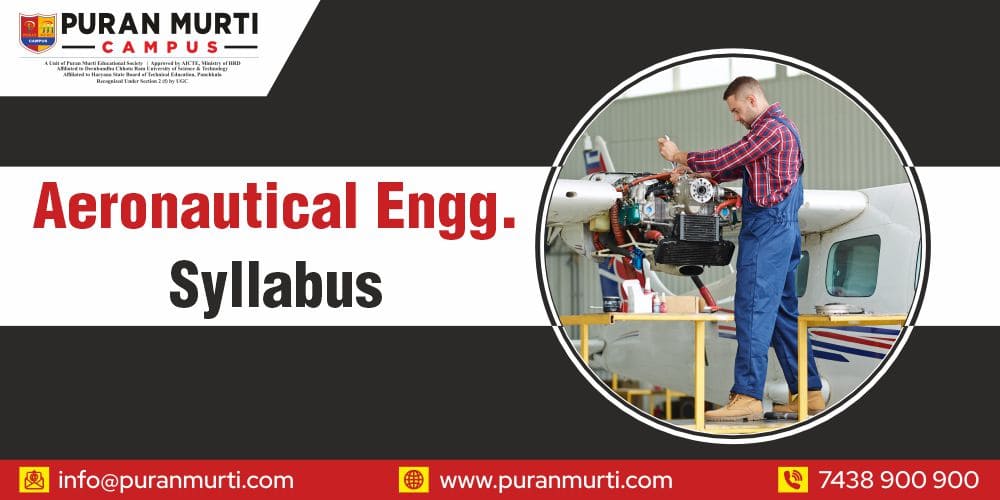
Most Aeronautical Engineering Colleges in Jharkhand offer a B.Tech or BE program in aeronautical or closely related streams such as aerospace, mechanical or aviation technology. The program usually runs for four years and is divided into eight semesters with theory plus hands-on training. Apply Now
Typical Course Structure
| Course Level | Name of Course | Duration | Degree Type |
|---|---|---|---|
| UG | B.Tech / BE in Aeronautical Engineering or allied | 4 years | Bachelor’s Degree |
| PG | M.Tech in Aeronautical / Aerospace Engineering | 2 years | Master’s Degree |
-
First year: Engineering basics like physics, chemistry, mathematics, programming, graphics, and workshops
-
Second year: Engineering economics, electronics, thermodynamics, and introduction to aerodynamics
-
Third year: Aircraft materials, performance, propulsion, instrumentation, and structure
-
Final years: Advanced aerodynamics, flight stability and control, helicopter dynamics, avionics, CFD, space dynamics, and electives like missile technology, AI, hybrid vehicles, or entrepreneurship
Throughout the course, students complete lab work, mini-projects, internships, and a major project or industrial training in the final semester. Apply Now
Eligibility, Entrance Exams and Admission Process
Most Aeronautical Engineering Colleges in Jharkhand follow eligibility and admission norms similar to leading institutes like Puran Murti Vidyapeeth. Apply Now
Basic Eligibility
-
10+2 with Physics, Chemistry, and Mathematics from a recognized board.
-
Minimum aggregate usually ranges from 45% to 50%, with relaxation for reserved categories as per norms.
-
Some colleges also allow B.Sc or diploma holders for lateral entry in higher semesters.
Entrance Exams Commonly Accepted
-
JEE Main for national-level engineering admissions.
-
State-level engineering entrance exams, where applicable, as per Jharkhand technical education regulations.
-
College-level or university-level entrance tests for institutes that conduct their own examinations.
Simple Admission Flow
-
Register and appear for the accepted entrance exam
-
Participate in counseling and choice locking for branches and colleges
-
Attend document verification as per college or counseling authority rules
-
Confirm the seat by paying the first installment of fees
In addition, some private colleges offer merit-based or management quota seats for students with strong interest in aviation, similar to the flexibility seen at Puran Murti Vidyapeeth.
Approximate Fee Structure in Jharkhand
Fee structures may vary widely depending on the college type, facilities, and industry tie-ups.
| Type of College | Approx Annual Fees Range |
|---|---|
| Government / State quota | ₹60,000 – ₹1,20,000 |
| Private engineering college | ₹2,00,000 – ₹4,50,000 |
| Management quota seats | ₹4,00,000 – ₹6,00,000 |
Specializations in Aeronautical Engineering
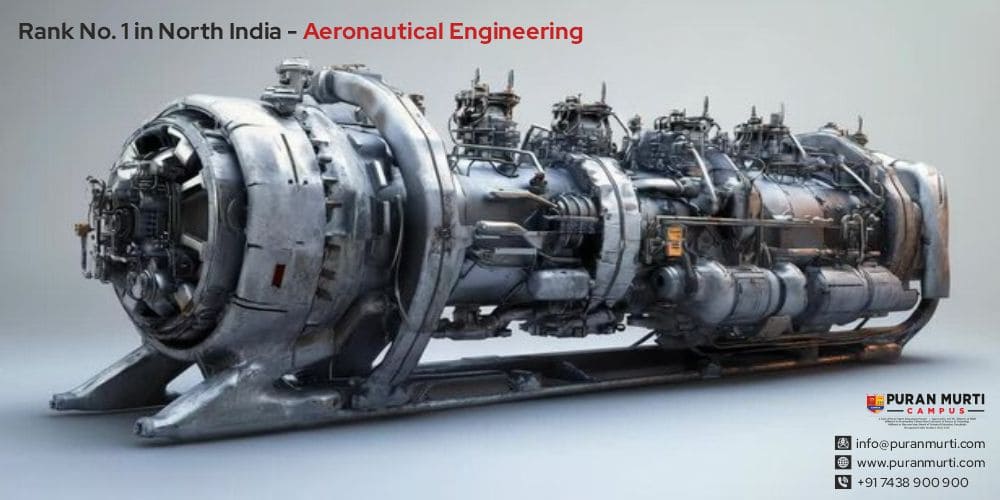
Modern aeronautical engineering programs allow students to focus on specialized domains, enhancing expertise and career prospects.
Core Specialization Tracks
| Specialization | Focus Area | Career Path |
|---|---|---|
| Aerodynamics | Air flow, lift, drag optimization | Design engineer, research scientist |
| Propulsion Systems | Jet engines, rocket propulsion, combustion | Engine design, missile systems |
| Avionics | Navigation, communication, flight instruments | Avionics engineer, systems integrator |
| Aircraft Structures | Material science, structural integrity, stress analysis | Structural analyst, quality engineer |
| Flight Mechanics & Control | Stability, control systems, flight dynamics | Flight test engineer, control systems engineer |
| Computational Fluid Dynamics (CFD) | Simulation, analysis, aerodynamic modeling | CFD analyst, design optimization |
| UAV/Drone Technology | Unmanned aircraft design, autonomous systems | Drone engineer, roboticist |
| Sustainable Aviation | Electric/hybrid propulsion, eco-friendly design | Green technology engineer, innovation lead |
| Space Systems Engineering | Spacecraft, orbital mechanics, satellite systems | Space engineer, mission planner |
Choosing a specialization early allows students to take targeted electives, do focused projects, and gain industry-relevant skills that make them immediately job-ready.
Career Opportunities
Emerging Drone & UAV Career Opportunities
India’s drone industry is expanding rapidly, creating exciting new roles for aeronautical engineers with AI, robotics, and design skills.
Why Drone Careers Are Growing
-
Government initiatives like Drone Shakti and Digital Sky Platform encourage commercial drone adoption
-
Applications expanding in agriculture, logistics, surveillance, defense, filmmaking, and disaster management
-
Hundreds of drone tech startups emerging with venture funding
-
Shortage of skilled UAV professionals vs. high market demand
Top Drone Industry Roles for Aeronautical Engineers
| Role | Monthly Salary | Key Skills Required |
|---|---|---|
| Drone Pilot / UAV Operator | ₹40,000–₹80,000 | DGCA remote pilot certificate, flight operations, route planning |
| UAV Software Engineer | ₹60,000–₹1,20,000 | Programming (Python, C++), flight control systems, AI integration |
| Drone Design Engineer | ₹50,000–₹1,00,000 | Aerodynamics, CAD, propulsion, materials, structural design |
| Drone Data Analyst | ₹50,000–₹90,000 | GIS tools, image processing, data visualization, analysis |
| Drone Maintenance Engineer | ₹35,000–₹70,000 | Electronics, mechanics, firmware, troubleshooting |
| Drone Research Scientist | ₹80,000–₹1,50,000 | Aerodynamics, robotics, AI, R&D methodology |
Industries Hiring Drone Professionals in 2025
-
Agriculture: Precision farming, crop health monitoring, pesticide spraying
-
Logistics: Drone delivery services, warehouse inventory, remote location supply
-
Defense & Government: Surveillance, reconnaissance, border patrol, disaster assessment
-
Media & Film: Aerial cinematography, live event coverage, sports broadcasting
-
Infrastructure: Smart city planning, mining surveys, utility inspections
-
Startups: Innovation in autonomous delivery, AI-driven analytics, environmental monitoring
How Aeronautical Engineers Enter Drone Sector
-
Pursue specialization in UAV design during B.Tech final years
-
Gain DGCA Remote Pilot Certificate for operational credibility
-
Learn complementary skills: GIS tools, Python programming, data analytics
-
Intern with drone startups or established aerospace companies
-
Consider M.Tech in Aerospace with UAV focus for advanced R&D roles
Government Support
-
Drone Policy 2.0 simplifies licensing and operation
-
Designated test zones for pilot training and R&D
-
Incentives for startups developing indigenous drone technology under Make in India
Internships, Industry Exposure and Practical Training
To succeed in aeronautical engineering, students must gain strong practical experience. Because of that, most good colleges design structured internship and training opportunities in aviation-related domains. Apply Now
Types of exposure students usually get
-
Internships with airlines, maintenance organizations, design firms, or research centers, depending on tie-ups.
-
Industrial visits to airports, aircraft maintenance facilities, or simulation centers.
-
Workshops on drone technology, CAD tools, CFD, avionics, or safety regulations.
-
Participation in technical competitions, aeromodelling clubs, and student projects in collaboration with faculty.
Institutes inspired by the Puran Murti Vidyapeeth approach emphasize real-world training so students can easily transition into jobs after graduation. Apply Now
Salary & Earning Potential for Aeronautical Engineers

Aeronautical engineering offers competitive compensation across career stages, reflecting the technical expertise and responsibility involved.
Average Salaries in India (2025)
| Career Stage | Average Annual Salary | Monthly Range |
|---|---|---|
| Entry-level (0-1 year) | ₹7,50,000 | ₹60,000–₹65,000 |
| Early career (1-4 years) | ₹6,74,074 | ₹55,000–₹58,000 |
| Overall aeronautical engineer | ₹7,22,136 | ₹65,000–₹75,000 |
| Aerospace engineers | ₹7,12,155 | ₹64,000–₹74,000 |
Salary drivers
-
Employer type (government PSU vs. private vs. defense)
-
Location (metros offer 15–20% higher pay)
-
Specialization (propulsion, avionics, design pay better)
-
Experience and certifications (DGCA AME, GATE, MBA add premiums)
-
Company size and international exposure
Engineers working with prestigious organizations like HAL, ISRO, Boeing India, or Airbus India typically command higher packages plus comprehensive benefits including housing, travel allowances, and medical coverage. Apply Now
Government Organizations Hiring Aeronautical Engineers
India’s aerospace and defense sectors actively recruit aeronautical engineers for cutting-edge projects. Major employers include:
ISRO (Indian Space Research Organisation)
-
Roles: Spacecraft design, propulsion systems, satellite engineering, space mission development, research scientist
-
Responsibilities: Design and develop launch vehicles, satellites, and deep-space exploration systems
-
Recruitment: ISRO Scientist/Engineer exam, typically conducted annually
-
Preference: B.Tech in Aeronautical/Aerospace/Mechanical engineering; M.Tech/PhD adds competitive advantage
-
Salary: Depends on grade but typically competitive with private sector
DRDO (Defence Research and Development Organisation)
-
Roles: Aircraft design, missile systems, UAVs, radar systems, aerospace components
-
Responsibilities: Develop defense aircraft, drones, missiles, and advanced weaponry systems
-
Recruitment: DRDO Scientist/Engineer exam, campus placements, project-based hiring
-
Preference: B.Tech with research projects or internships in defense technology
-
Opportunities: Labs across multiple locations hiring continuously
HAL (Hindustan Aeronautics Limited)
-
Roles: Aircraft and helicopter design, avionics, manufacturing, systems integration, flight testing
-
Responsibilities: Design and manufacture military and commercial aircraft for IAF, IN, and global clients
-
Recruitment: Campus placements, graduate recruitment programs, PSU exam (UPSC)
-
Salary & Benefits: Strong compensation, housing, medical, pension schemes
IAF (Indian Air Force)
-
Roles: Aircraft maintenance, design development, avionics, flight testing, engineering management
-
Recruitment: Air Force Technical Entry Scheme (TES), Engineering Entry Scheme (EES)
-
Benefits: Military perks, housing, pension, job security, international exposure
Other Government Employers
-
National Aerospace Laboratories (NAL)
-
Airport Authority of India (AAI)
-
Ministry of Defence laboratories
-
CSIR research institutes
Why government jobs appeal to engineers
-
Job security and stable career progression
-
Exposure to cutting-edge aerospace technology
-
Contribution to national defense and space exploration
-
Strong social respect and career fulfillment
-
Access to world-class research facilities
The DGCA Aircraft Maintenance Engineer Path
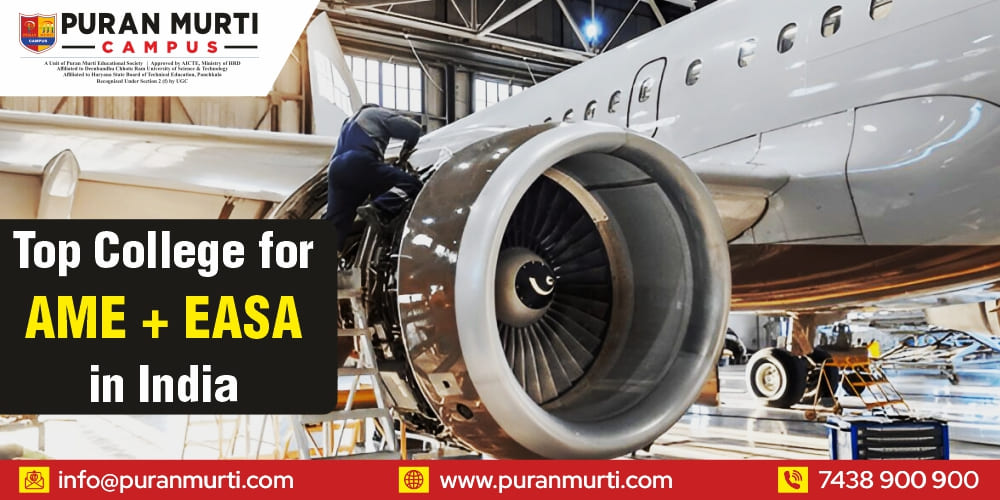
Beyond traditional B.Tech aeronautical engineering, a specialized pathway exists to become a DGCA-licensed Aircraft Maintenance Engineer. This certification, issued carries international validity and allows engineers to legally sign aircraft airworthiness certificates before takeoff—a security-critical responsibility.
The AME license comes in categories: Category A for minor maintenance, and Category B1 (Mechanical) and B2 (Avionics) for comprehensive system maintenance. After completing recognized training and clearing DGCA module exams, candidates must complete 18–24 months of on-the-job training at approved aviation organizations. Importantly, many B.Tech graduates pursue dual qualification as both aeronautical engineers and licensed AMEs, significantly enhancing their international marketability and earning potential. Apply Now
India’s Booming Aviation Market
Understanding the industry context underscores why aeronautical engineering remains attractive. India is the 3rd largest civil aviation market globally with projected 25% annual growth. The commercial aviation sector is adding 50+ new aircraft annually, while government initiatives—including airport expansion, defense modernization, and ISRO’s expanding space missions—are driving demand for skilled professionals. Notably, there exists a significant shortage of qualified aeronautical engineers, creating abundant job opportunities across sectors. Apply Now
Global Opportunities and International Prospects
Aeronautical engineering graduates enjoy strong international career prospects. The DGCA AME license is recognized globally under ICAO standards, valid in the USA, UK, Europe, Middle East, Australia, and Singapore. Global aerospace companies like Boeing, Airbus, Lockheed Martin, and Embraer actively hire Indian engineers. Furthermore, pursuing M.Tech followed by PhD from top universities (MIT, Caltech, Stanford) opens research and development roles with substantial salary premiums. Many Indian professionals work internationally in expatriate roles earning 2–3 times their domestic salaries. Apply Now
Scholarships and Financial Aid Opportunities
Multiple scholarship programs help eligible students pursue aeronautical engineering without excessive financial burden. The AICTE Pragati Scholarship supports girl students across engineering colleges. Similarly, DRDO ARDB, HAL, and ISRO offer merit-based scholarships for deserving candidates. Furthermore, the Shaksham Scholarship provides 40–60% fee waivers for eligible students. Beyond national programs, many private colleges offer merit scholarships based on 10+2 marks and entrance exam performance. Additionally, most institutions provide installment-based fee payment options and facilitate education loans through banks at subsidized rates.
Campus Facilities and Learning Environment
Leading Aeronautical Engineering Colleges in Jharkhand design their campus facilities on the lines of top engineering institutions, with strong emphasis on labs and practical exposure.
Common facilities you can expect
-
Aerodynamics and propulsion labs with experimental setups and basic wind tunnel arrangements.
-
Aircraft structure, avionics, and materials labs for hands-on practice on components and systems.
-
CAD/CAM and simulation labs for design, modeling, and analysis of aircraft parts and systems.
-
Workshops and fabrication areas for machining, fitting, and basic manufacturing processes.
-
Digital library, e-resources, and technical journals related to aviation and aerospace.
-
Hostel, canteen, transport, sports, and student activity clubs for overall development.
Colleges that mirror the Puran Murti Vidyapeeth model also focus on value-added certifications, personality development, and industry interaction, which help students become job-ready.
Why Aeronautical Engineering is a Smart Career Choice
Aeronautical engineering remains attractive because India’s aviation market is expanding and requires skilled engineers for multiple roles. Furthermore, global demand for aerospace professionals keeps rising due to new aircraft, space missions, and drone applications.
Key advantages of this career
-
High earning potential in core engineering, R&D, and international roles.
-
Opportunities to work with cutting-edge technologies such as advanced materials, simulation, AI in aviation, and space systems.
-
Scope to contribute to defense, space, commercial aviation, and emerging drone markets.
-
Continuous innovation and research make the work exciting and intellectually rewarding.
-
Strong respect in society due to the technical and safety-critical nature of the field.
When students choose a college that offers modern labs, industry interaction, and placement support, their chances of building a stable aviation career grow significantly. Apply Now
How to Choose the Right Aeronautical College in Jharkhand
Because multiple institutes may offer engineering with aviation-friendly streams, students should carefully compare their options.
Important points to evaluate
-
Approval and affiliation: Check AICTE approval and university affiliation of the engineering program.
-
Branch availability: Confirm whether the college offers aeronautical, aerospace, or closely allied branches like mechanical with aviation electives.
-
Faculty strength: Look for experienced faculty with a background in aeronautics, aerospace, or related research.
-
Laboratory quality: Review labs, workshops, software tools, and simulation facilities during campus visits or online tours.
-
Placement record: Check recent placement statistics, top recruiters, and roles offered to engineering graduates.
-
Location and hostel: Consider safety, hostel quality, food, and transport to ensure comfort over four years.
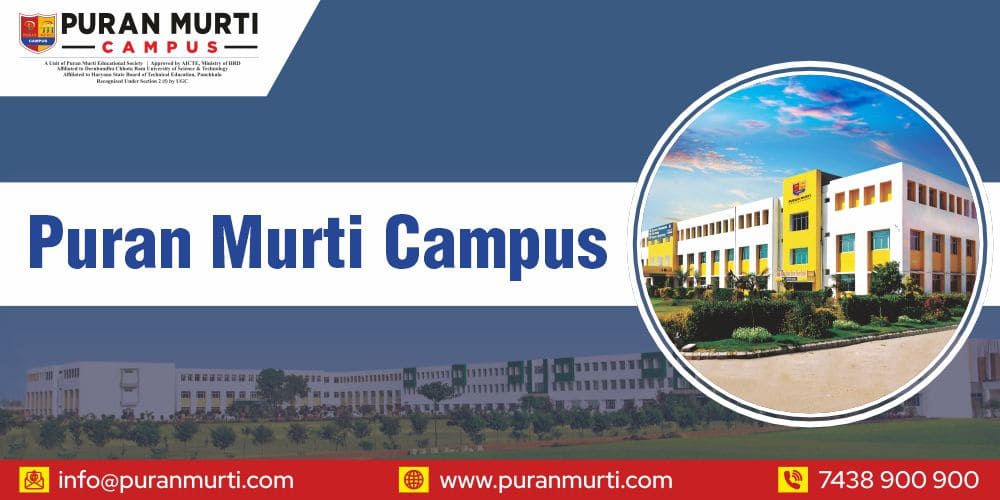
Colleges that follow models similar to Puran Murti Vidyapeeth often combine strong academics with placement-driven training, which supports better outcomes for students.
FAQs
What is the scope of aeronautical engineering in India?
India is the 3rd largest civil aviation market with 25% annual growth, creating abundant opportunities in commercial airlines, defense, MRO facilities, and ISRO/DRDO.
Can I get a job in ISRO or DRDO after aeronautical engineering?
Yes. Both ISRO and DRDO hire aeronautical engineers through dedicated recruitment exams, offering competitive salaries and research opportunities.
What is the average salary for aeronautical engineers in 2025?
Average salary is ₹7,22,136 annually, with entry-level around ₹7,50,000 and experienced professionals earning significantly more.
Is DGCA AME certification worth pursuing?
Absolutely. AME license provides international validity, higher earning potential (₹4-10+ lakhs), and career security in aviation maintenance.
Can I work abroad as an aeronautical engineer?
Yes. DGCA AME certification is globally recognized. Additionally, top aerospace companies like Boeing and Airbus hire Indian engineers.