
Top Engineering Education Trends
Posted on : 10 December, 2025 7:45 pm
Introduction: Why Engineering Education Trends Matter
Engineering education trends are changing faster than ever. Students face new technologies, hiring expectations, and new global challenges. Therefore, colleges can no longer rely only on traditional lectures and outdated labs.
Today, employers want graduates who can think, build, and adapt faster. As a result, engineering institutes increasingly focus on hands-on trainings, real-world projects, and emerging areas like AI, IoT, green tech, and smart manufacturing. When colleges align with these trends, students gain better career opportunities and more confidence in their skills.
Trend 1: AI and Data-Driven Engineering
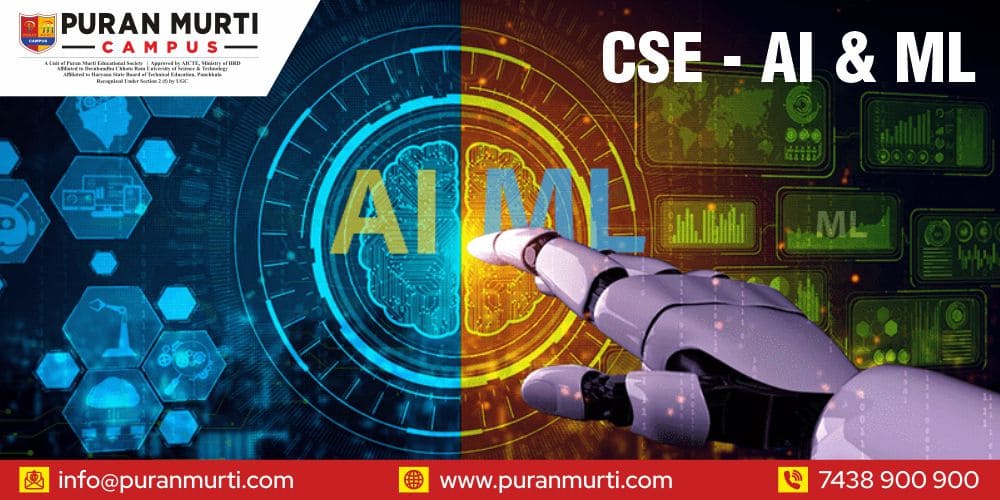
One of the strongest top engineering education trends is the rise of AI and data-driven learning. Many Indian colleges like Puran Murti College now offer BTech specializations in AI, Machine Learning, and Data Science, even within traditional branches such as mechanical or civil engineering.
Students learn to work with big datasets, build predictive models, and apply algorithms to real problems like demand forecasting or quality control. This shift moves them from basic coding to real decision-making tools. Additionally, AI-driven tools help personalize learning paths, giving students extra support where they struggle and more advanced content where they excel.
Colleges add AI-integrated curricula. Students learn predictive maintenance and digital twins. Consequently, graduates excel in industries. For example, programs in Puran Murti College focus on AI labs. Furthermore, interdisciplinary AI courses blend with core branches. This prepares engineers for data-driven roles. Hence, demand surges for AI specialists.
Trend 2: Sustainability and Green Technology
Sustainability now sits at the center of global top engineering education trends. Climate change, resource scarcity, and stricter environmental regulations force colleges to include green topics in almost every branch. For instance, electrical students study solar microgrids, while civil engineering students explore green buildings and low-carbon eco-materials.
Projects around smart cities, waste management, and renewable energy are no longer optional topics. Instead, they become mainstream project themes, internships, and capstone work. This focus also aligns with national policies encouraging clean energy and sustainable infrastructure, making graduates more relevant to both Indian and global markets.
Additionally, colleges emphasize hydrogen engines and smart cities. This aligns with India’s green goals. Therefore, future engineers tackle environmental challenges.
Sample Table: Key Green Tech Areas in Colleges. Apply
| Trend | Key Focus | Impact on Students |
| Renewable Energy | Solar, wind systems | Builds energy independence skills |
| Eco-Infrastructure | Green buildings, BIM | Promotes minimal impact designs |
| Sustainable Materials | Bio-based options | Fosters innovation in construction |
Trend3: Robotics, IoT, and Smart Systems

Robotics and IoT create another strong pillar in top engineering education trends. Colleges increasingly set up robotics clubs, IoT labs, and innovation centers where students build drones, autonomous vehicles, or home automation prototypes. These spaces encourage experimentation learning.
Students also interact with sensors, microcontrollers, and cloud platforms to design end-to-end systems. They do not just learn theory; they test, debug, and improve their designs. This experience translates directly into roles in manufacturing automation, smart factories, and Industry 4.0 projects, where such skills are in high demand. Students build collaborative robots. IoT enables smart systems in urban planning. Thus, practical labs boost employability
Moreover, mini-projects in 6G and edge computing excite learners. Workshops with industry tie-ups add value. Consequently, graduates gain future-ready skills.
Trend 4: Project-Based and Experiential Learning
Another major shift in top engineering education trends is the move from exam-focused teaching to project-based and experiential learning. Instead of memorizing formulas for written tests, students complete mini-projects each semester, industry-sponsored projects, and multidisciplinary hackathons.
This approach builds problem-solving, teamwork, and communication skills. It also helps students create portfolios, which are extremely useful during placements and higher studies applications. Many institutions now use labs, internships, industry visits, and real case studies as core components of credit-based courses rather than add-ons.
Trend 5: Industry Collaboration and Job-Ready Skills
Employability remains a key driver behind these top engineering education trends. Companies often report skill gaps in new graduates, especially in practical knowledge, communication, and understanding of modern digital tools. To address this, colleges collaborate with industries for curriculum design, guest lectures, live projects, and co-branded certification programs. For instance, VR/AR tools simulate challenges.
Some campuses host on-site centers of excellence from software, automotive, or electronics firms, where students train on industry-grade tools. Soft skills, entrepreneurship, and innovation management also enter the timetable, supporting students who wish to launch startups or work in dynamic environments.
Innovation demands reform in top engineering education trends. However, outdated models fade. As a result, India bridges skill gaps.

Trend 6: Digital, Hybrid, and Immersive Learning
Since the pandemic, digital and hybrid learning have become durable top engineering education trends. However, they now go beyond simple online classes. Many institutes use Learning Management Systems (LMS), recorded lectures, interactive quizzes, and discussion forums to create flexible learning environments.
Emerging tools like Virtual Reality (VR) and Augmented Reality (AR) help simulate labs, hazardous environments, or complex industrial setups without high physical risk or cost. This approach especially supports students in remote areas or working professionals pursuing part-time engineering courses.
Trend 7: Interdisciplinary and Outcome-Based Education
Modern engineering problems rarely fit inside one strict domain, so interdisciplinary learning becomes a key part of top engineering education trends. Many colleges encourage combinations courses like computer science with mechanical, electronics with biomedical, or civil with environmental studies.
Outcome-based education frameworks define clear skills and competencies for every course and program. This helps track whether students actually gain practical abilities instead of just clearing exams. It also makes it easier to align with national accreditation standards and global expectations.
FAQs on Top Engineering Education Trends
What are the top engineering education trends?
The important trends include AI-focused curricula, sustainability and green technology, robotics and IoT labs, project-based learning, and strong industry collaboration for job-ready skills.
How does AI change engineering colleges in India?
They help students gain practical exposure, updated technical knowledge, and better soft skills, which together improve placement chances, higher studies opportunities, and startup potential.
Are traditional engineering branches still relevant?
Yes, core branches like civil, mechanical, electrical, and electronics remain important, but they now integrate AI, data analytics, automation, and sustainability topics to stay aligned with modern industry needs.
How can students benefit from industry collaborations in colleges?
Students gain internships, hands-on projects, mentorship, and training on real tools, which reduces the gap between theory and actual work environments, making them more employable.
What should students focus on besides technical skills?
Students should focus on communication, teamwork, problem-solving, adaptability, and continuous learning, because these skills are critical in fast-changing engineering careers.
Why focus on sustainability now?
Climate goals demand green skills. Engineers design eco-friendly solutions
Which colleges excel in these trends?
Institutes like Puran Murti College & NIET lead. They offer industry-linked programs
How to prepare for future engineering jobs?
Choose interdisciplinary courses. Build projects and soft skills