

Electrical Engineering Course Details 2026
Posted on : 4 August, 2026 11:17 pm
Modern cities, industries, transportation systems, renewable energy plants, and smart technologies all rely on electrical engineering. From powering homes to designing electric vehicles and managing smart grids, electrical engineers are at the heart of technological innovation.
If you are planning your career after Class 12 and enjoy mathematics, physics, problem-solving, and technology, pursuing an Electrical Engineering course can open doors to diverse and rewarding career opportunities.
This comprehensive guide covers everything students and parents need to know about Electrical Engineering Course Details 2026, including eligibility, admission process, syllabus, career scope, salary, placements, skills required, and why choosing the right college matters.
What is an Electrical Engineering Course?
Electrical Engineering is a branch of engineering that focuses on the study, design, development, testing, and maintenance of electrical systems, power generation, transmission, distribution, electrical machines, electronics, automation, and renewable energy technologies.
An Electrical Engineering course teaches students how electrical power is generated, transmitted, controlled, and utilized safely. The program combines theoretical concepts with practical laboratory training to prepare graduates for careers in power plants, manufacturing industries, automation, renewable energy, electric vehicles, and public sector organizations.
Why Choose Electrical Engineering in 2026?
Electrical engineering continues to remain one of India’s core engineering disciplines because nearly every industry requires electrical professionals.
Key reasons include:
- Growing renewable energy sector
- Expansion of electric vehicle manufacturing
- Smart city infrastructure development
- Industrial automation
- Increasing demand for energy-efficient technologies
- Government investments in power infrastructure
- Opportunities in both private and public sectors
With India focusing on sustainable development and digital infrastructure, skilled electrical engineers are expected to remain in demand for years to come.
Electrical Engineering Course Highlights
| Particular | Details |
|---|---|
| Course Name | B.Tech in Electrical Engineering |
| Course Duration | 4 Years |
| Eligibility | 10+2 with Physics, Chemistry & Mathematics |
| Admission | Merit-Based / Entrance Exam |
| Course Level | Undergraduate |
| Internship | Available in most engineering colleges |
| Career Options | Power Engineer, Design Engineer, Maintenance Engineer, Automation Engineer |
| Higher Studies | M.Tech, MBA, MS, GATE Preparation |
Electrical Engineering Eligibility Criteria
Students seeking admission generally need to meet the following requirements:
- Pass Class 12 from a recognized board
- Physics, Chemistry, and Mathematics as compulsory subjects
- Minimum qualifying marks as per college or university guidelines
- Entrance examination qualification where applicable
Some institutions also offer lateral entry admission for diploma holders.
How to Get Admission in Electrical Engineering?
Step-by-Step Admission Process
- Complete Class 12 with PCM.
- Check eligibility requirements.
- Apply online for your preferred engineering college.
- Appear for entrance examinations (where required).
- Participate in counseling or merit-based admission.
- Verify documents.
- Complete fee submission.
- Begin your engineering journey.
Electrical Engineering Course Duration
The Bachelor of Technology (B.Tech) in Electrical Engineering is a 4-year undergraduate program divided into 8 semesters.
Students receive classroom learning, laboratory experience, industrial visits, workshops, internships, project work, and practical training throughout the course.
Electrical Engineering Subjects
Although subjects may vary slightly across universities, the curriculum generally includes:
First Year
- Engineering Mathematics
- Engineering Physics
- Engineering Chemistry
- Basic Electrical Engineering
- Engineering Graphics
- Programming Fundamentals
Second Year
- Electrical Machines
- Circuit Theory
- Network Analysis
- Analog Electronics
- Digital Electronics
- Signals and Systems
Third Year
- Power Systems
- Power Electronics
- Control Systems
- Microprocessors
- Electrical Measurements
- Renewable Energy Systems
Fourth Year
- High Voltage Engineering
- Industrial Automation
- Smart Grid Technology
- Electric Vehicle Technology
- Project Work
- Internship
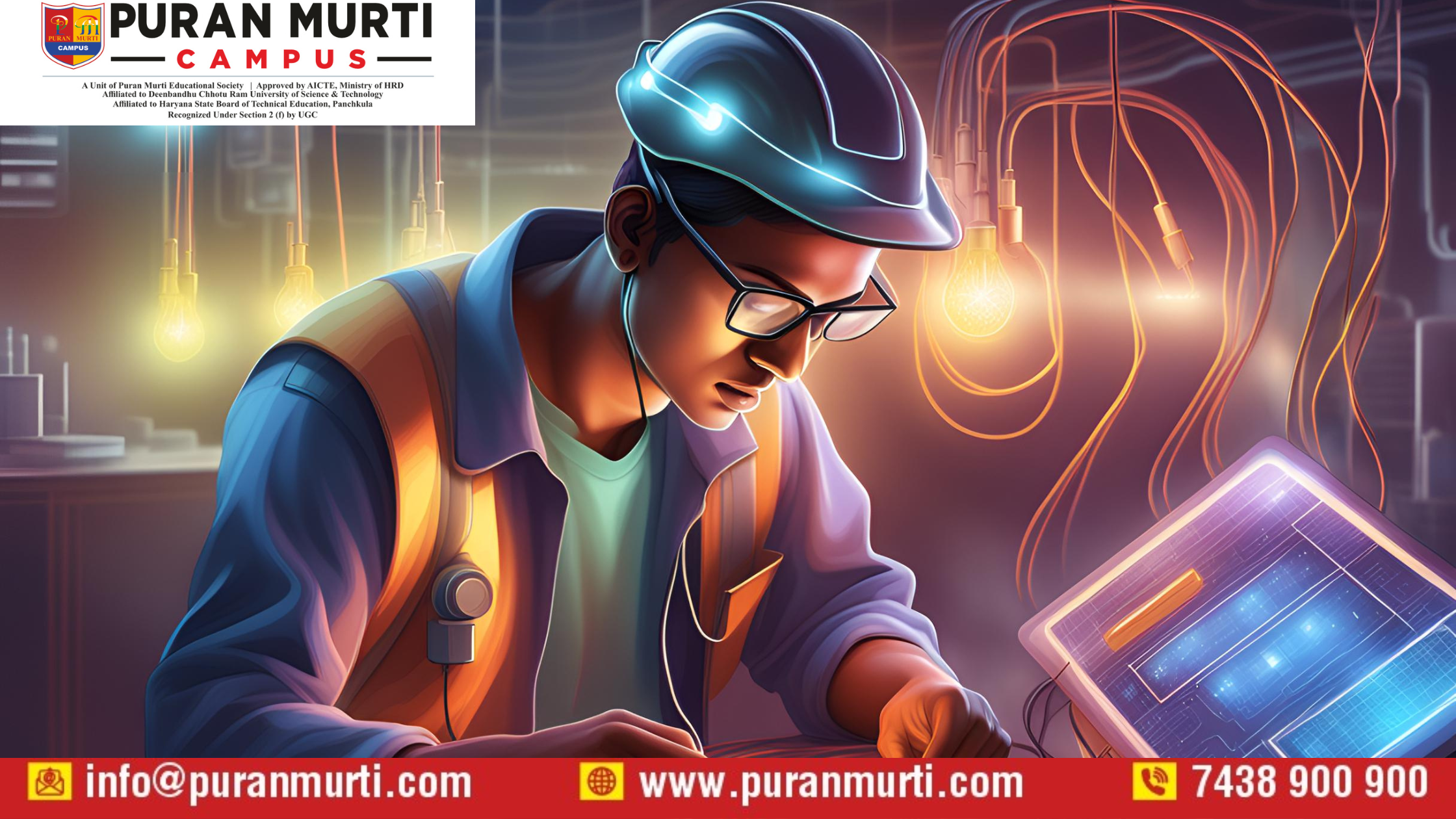
Skills Required for Electrical Engineering Students
Technical knowledge alone is not enough.
Successful electrical engineers develop:
- Analytical thinking
- Problem-solving ability
- Mathematical skills
- Programming basics
- Circuit designing
- Teamwork
- Communication skills
- Leadership
- Project management
- Innovation mindset
Why Electrical Engineering Remains a Strong Career Choice
Electrical Engineering offers stable career opportunities because electricity powers every major industry. Graduates can work in energy, manufacturing, construction, automation, transportation, renewable energy, and government organizations, making it one of India’s most versatile engineering branches.
Career Scope After Electrical Engineering
Graduates can explore careers across multiple industries.
Core Industries
- Power Generation
- Power Distribution
- Renewable Energy
- Construction
- Manufacturing
- Oil & Gas
- Railways
- Smart Cities
- Electric Vehicles
- Automation
Job Roles
- Electrical Engineer
- Design Engineer
- Maintenance Engineer
- Project Engineer
- Control Engineer
- Power System Engineer
- Electrical Consultant
- Automation Engineer
- Testing Engineer
- Quality Engineer
Electrical Engineering Salary in India
Salary depends upon skills, company, location, internships, and technical expertise.
| Experience | Average Annual Salary |
| Freshers | ₹3.5–6 LPA |
| 2–5 Years | ₹6–10 LPA |
| 5–10 Years | ₹10–18 LPA |
| Senior Professionals | ₹18 LPA+ |
Professionals working in specialized areas such as renewable energy, automation, electric vehicles, industrial robotics, and smart grid technology may earn significantly higher compensation.
Higher Education Options
After graduation, students may pursue:
- M.Tech
- MBA
- MS Abroad
- GATE Preparation
- PSU Recruitment
- Research
- PhD
Professional certifications in PLC, SCADA, Industrial Automation, Solar Energy, and EV Technology can further enhance employability.
Industry Trends Shaping Electrical Engineering
Several emerging technologies are creating exciting opportunities:
Renewable Energy
Solar and wind power projects require skilled electrical engineers.
Electric Vehicles
India’s EV ecosystem continues to expand rapidly.
Smart Grid Technology
Modern electricity networks use automation and AI for efficient power management.
Industrial Automation
Factories increasingly rely on robotics and intelligent control systems.
Artificial Intelligence
AI is helping optimize predictive maintenance, energy management, and power distribution.
These trends make Electrical Engineering highly relevant for future careers.
Practical Training and Industry Exposure
Students gain practical knowledge through:
- Modern laboratories
- Industrial visits
- Live projects
- Technical workshops
- Internship opportunities
- Expert guest lectures
- Industry interaction
- Innovation and research activities
Hands-on learning helps students become industry-ready before graduation.
Placements After Electrical Engineering
Engineering graduates can find opportunities in:
- Power companies
- Manufacturing industries
- Infrastructure organizations
- Renewable energy companies
- Government departments
- Smart city projects
- Electrical equipment manufacturers
- Consulting firms
- Automation companies
Students with strong technical skills, internships, communication abilities, and project experience generally receive better placement opportunities.
Why Choose Puran Murti Vidyapeeth for Electrical Engineering?
Students looking for an engineering college in Sonipat, Delhi NCR should evaluate factors beyond rankings.
Puran Murti Vidyapeeth focuses on developing industry-ready engineers through:
- Experienced faculty
- Well-equipped laboratories
- Industry-oriented curriculum
- Practical learning approach
- Internship support
- Placement assistance
- Technical workshops
- Modern infrastructure
- Personality development programs
- Career guidance and mentorship
The institution aims to bridge the gap between classroom learning and real-world engineering challenges, helping students build both technical expertise and professional confidence.

Electrical Engineering vs Electronics Engineering
| Feature | Electrical Engineering | Electronics Engineering |
| Focus | Power & Electrical Systems | Electronic Circuits |
| Core Area | Electricity Generation & Distribution | Communication & Embedded Systems |
| Industries | Power Plants, Manufacturing | Electronics, Telecom, IT |
| Career Focus | Power Infrastructure | Electronic Devices |
Top Benefits of Studying Electrical Engineering
- Strong career stability
- Diverse job opportunities
- Excellent higher education options
- Global career prospects
- Competitive salary growth
- Opportunity to work on sustainable technologies
- High demand across industries
- Scope in government and private sectors
People Also Ask
What is the duration of an Electrical Engineering course?
The B.Tech Electrical Engineering course generally lasts 4 years and is divided into eight semesters that combine classroom instruction, laboratory work, internships, and project-based learning.
Can I pursue Electrical Engineering after Class 12?
Yes. Students who complete Class 12 with Physics, Chemistry, and Mathematics and meet the required eligibility criteria can apply for admission to B.Tech Electrical Engineering programs.
Is Electrical Engineering a good career in India?
Yes. Electrical Engineering remains one of India’s most promising engineering fields because it offers opportunities in power, renewable energy, automation, manufacturing, electric vehicles, infrastructure, and public sector organizations.
B.Tech in Electrical Engineering: Powering the Future with Innovation and Technology
Frequently Asked Questions
What is an Electrical Engineering course?
Electrical Engineering is a four-year undergraduate engineering program that focuses on electrical systems, power generation, transmission, automation, electrical machines, renewable energy, and industrial applications.
Who can apply for Electrical Engineering?
Students who have completed Class 12 with Physics, Chemistry, and Mathematics from a recognized board are generally eligible, subject to the admission requirements of the institution.
What are the career opportunities after Electrical Engineering?
Graduates can work as electrical engineers, maintenance engineers, automation engineers, design engineers, project engineers, power system engineers, consultants, and quality engineers across various industries.
Is Electrical Engineering difficult?
The course requires dedication, logical thinking, and a solid understanding of mathematics and physics. With consistent practice and hands-on learning, students can perform well and build successful careers.
What is the average salary after Electrical Engineering?
Fresh graduates typically earn between ₹3.5–6 LPA, while experienced professionals and specialists in high-demand sectors may earn significantly more depending on their skills and industry.
Which industries hire Electrical Engineering graduates?
Power generation, renewable energy, manufacturing, railways, infrastructure, construction, electric vehicles, industrial automation, and government organizations are among the major recruiters.
Conclusion
Electrical Engineering remains one of the strongest engineering career choices in 2026 because it combines innovation, stability, and long-term career growth. As industries continue adopting renewable energy, automation, smart grids, and electric mobility, the demand for skilled electrical engineers is expected to remain strong.
Choosing the right institution is equally important. A college that emphasizes practical learning, experienced faculty, industry exposure, internships, and placement support can significantly enhance your career prospects.
If you are looking for quality engineering education in Sonipat, Delhi NCR, Puran Murti Vidyapeeth offers an environment where students can build technical expertise, gain real-world experience, and prepare for successful engineering careers.