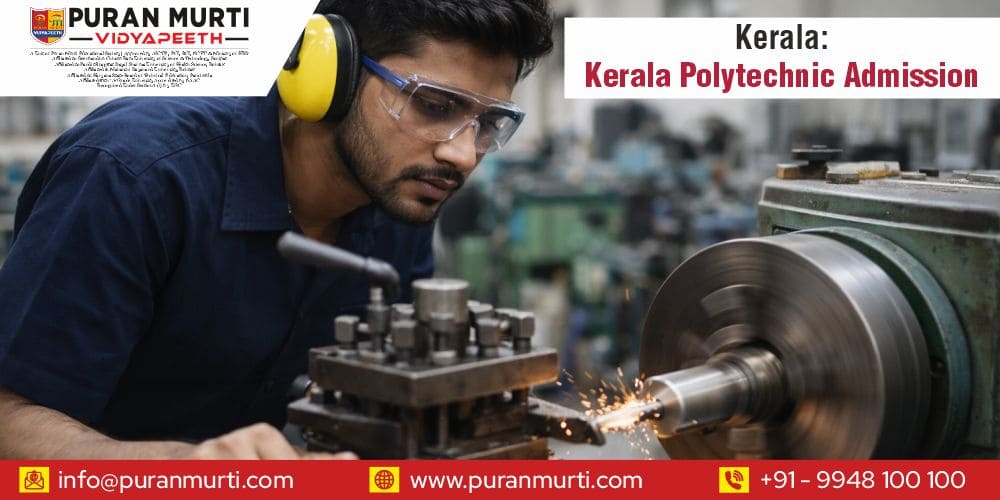
Kerala Polytechnic Admission
Posted on : 17 March, 2026 10:13 pm
Polytechnic education is fast becoming one of the most practical and job-oriented paths for students who wish to build a strong technical foundation after their Class 10 or Class 12 education. In this blog, we will explore in detail the Kerala Polytechnic admission process, eligibility, courses, benefits, career opportunities, and how they align with systems used in campuses like Puran Murti Vidyapeeth. While Kerala uses a merit-based state admission system, institutions like Puran Murti offer flexible entry options and highlight how polytechnic education can transform careers. Here is the Kerala Polytechnic Admission
What is Polytechnic Education?
Polytechnic institutes offer Diploma programs in engineering and technology, designed to focus on practical, hands-on technical skills. These courses typically span three years (for regular entry), although lateral entry allows students to begin in the second year if they meet certain criteria (such as passing 12th Science or ITI qualifications).
Diploma holders play an essential role in India’s workforce, especially in areas like manufacturing, IT, design, construction, automation, and more. These courses often lead to good job opportunities, self-employment options, and a pathway to further studies like lateral entry into B.Tech.
Why Choose Polytechnic Education?
There are several reasons students opt for polytechnic diplomas:
-
Industry-oriented curriculum focusing on practical skills
-
Cost-effective compared to traditional degree programs
-
Early career start (students begin working or get internships earlier)
-
Opportunities for further studies, including lateral entry into degrees
-
Diverse branches in engineering, technology, and applied fields
Institutes like Puran Murti Vidyapeeth emphasize both theory and practical exposure, providing tools, infrastructure, labs, and placement support that prepare students for real-world roles — a model modern polytechnic must aspire to.
Kerala Polytechnic Admission — An Overview
In Kerala, Polytechnic/Diploma admissions are conducted by the Department of Technical Education, Government of Kerala through a Centralized Allotment Process (CAP). The authority does not conduct a traditional entrance exam. Instead, admissions are granted on the basis of merit rank lists, which are prepared based on the student’s marks in the qualifying examination (SSLC/THSLC or equivalent).
Here’s how it generally works:
Step-by-Step Admission System
-
Notification & Registration
-
Every year, the Directorate issues official announcements with dates for registration.
-
Interested students must complete online registration on the official portal (usually polyadmission.org), filling all necessary academic, personal, and contact details.
-
-
Merit List Preparation
-
Kerala Polytechnic admissions are based on grades/marks secured in SSLC/THSLC examinations.
-
No separate entrance test is conducted — admission is purely merit-based.
-
-
Seat Allotment
-
Publication of Rank List.
-
Online choice filling (college and course preferences).
-
First allotment result declaration.
-
Fee payment for seat confirmation.
-
Second and subsequent allotment rounds (if required).
-
Final admission at allotted college.
Admission Confirmation
-
Once the seat is allotted, students must pay the required admission fees and submit original documents within a stipulated timeframe to complete the admission formalities.
-
This structured, transparent system allows equal opportunity to students across Kerala for quality technical education.
Kerala Polytechnic Admission 2026
Although the official notification for 2026 will be released by DTE Kerala, the expected timeline (based on previous years) is as follows:
| Event | Expected Date (2026) |
|---|---|
| Notification Release | May 2026 |
| Online Application Start | May 2026 |
| Last Date to Apply | June 2026 |
| Rank List Publication | June/July 2026 |
| Counselling & Allotment | July 2026 |
| Classes Begin | August 2026 |
Students are advised to regularly check the official admission portal once the notification is released.
Eligibility Criteria for Kerala Polytechnic Admission
To participate in Kerala Polytechnic admission, candidates typically must satisfy the following:
Academic Qualifications
-
Passed SSLC/THSLC (Class 10 equivalent) from a recognized board.
-
For certain streams like Engineering or Technology, passing with Mathematics, Science, and English as subjects is required.
-
Those who have passed only Mathematics & English may qualify for non-engineering streams.
Nationality and Nativity
-
Must be an Indian citizen.
-
Candidates may be required to prove nativity as a native of Kerala or demonstrate eligibility under special provisions (like parent employment in Kerala).
Age Limit
-
There’s generally no specific age restriction, offering flexibility for diverse students.
Reservation Policy
-
Kerala Government provides reservation for various categories (like SC, ST, OBC, Persons with Disabilities, THSLC holders, VHSE candidates, etc.).
Lateral Entry Eligibility
-
Students who passed +2 (Science) or possess a relevant ITI certification can apply for lateral entry directly into the second year of the diploma program. This accelerates their career path and reduces the time to graduation.
Application Form Process (Step-by-Step)
The Kerala Polytechnic 2026 application form will be available online.
How to Apply:
-
Visit the official DTE Kerala admission portal.
-
Register using valid mobile number and email ID.
-
Fill in personal details and academic information.
-
Upload required documents (scanned copies).
-
Select preferred colleges and courses.
-
Pay the application fee online.
-
Submit and download confirmation page.
Application Fee (Expected)
-
General Category: ₹200 – ₹300
-
SC/ST Category: ₹100 – ₹150
(Exact fee will be confirmed in the 2026 notification.)
Document Checklist for Admission
Before completing the admission process, students should prepare the following documents:
- SSLC/THSLC mark sheet
- Passing certificate
- Caste/Community certificate (if applicable)
- Domicile certificate (if applicable)
- Identity proof (Aadhaar)
- Passport-size photos
- Income certificate (if claiming fee waiver)
Failing to present any original document may lead to cancellation of the admission — so students must prepare thoroughly.
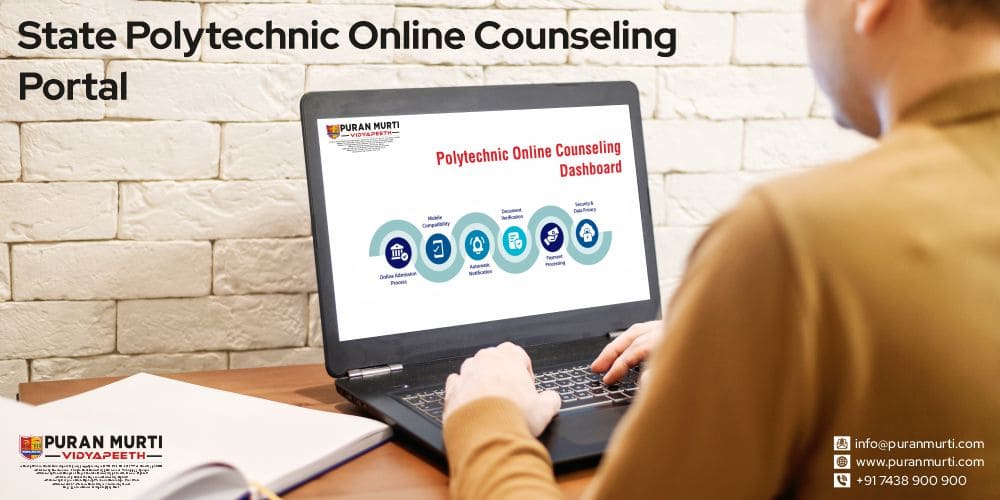
Polytechnic Colleges in Kerala
Kerala has more than 40 Government Polytechnic Colleges and several aided/private institutions. Some well-known Government Polytechnic Colleges include:
-
Government Polytechnic College Kalamassery
-
Government Polytechnic College Kozhikode
-
Government Polytechnic College Thiruvananthapuram
-
Government Polytechnic College Thrissur
-
Government Polytechnic College Palakkad
These institutions offer diploma programs in:
-
Civil Engineering
-
Mechanical Engineering
-
Electrical & Electronics Engineering
-
Electronics & Communication Engineering
-
Computer Engineering
-
Automobile Engineering
-
Commercial Practice
Students can choose colleges based on location, infrastructure, branch availability, and previous placement records.
Kerala Polytechnic Fees Structure (Typical)
Fee structures can vary depending on the institute (Government or Self-Financed). Here’s a general estimate:
Government Polytechnic Colleges
-
Admission fees: ₹200
-
Tuition fees: ₹750 per semester
-
Special fees, amenities, caution deposits (varies)
Private / Self-Financing Colleges
-
Government-quota seat: ~₹22,500 per year
-
Management quota seat: ~₹37,500 per year
These costs are often much less compared to degree courses, making polytechnic diplomas a budget-friendly way to enter technical professions early.
Popular Polytechnic/Diploma Courses in Kerala
Kerala Polytechnic institutes offer a wide range of programs to suit diverse technical interests:
Engineering & Technology
-
Civil Engineering
-
Mechanical Engineering
-
Electronics & Communication Engineering
-
Computer Science & Engineering
-
Electrical Engineering
-
Automobile Engineering
-
Fire Technology & Safety
-
Medical Lab Technology
Other Applied Fields
-
Commercial Practice
-
Computer Applications
-
Business Management
Such diversified fields help students choose what suits their interests and career goals.
Kerala Polytechnic vs. Puran Murti Vidyapeeth
The Kerala Admission System is highly merit-based, centralized, and connected to state government policies. On the other hand, private campuses such as Puran Murti Vidyapeeth often combine merit and flexibility in admissions:
Admission Modes Used by Puran Murti Vidyapeeth
- Direct merit-based admissions
- Management quota or merit seats
- Options for students with various academic backgrounds
Whether you choose a strict government system like Kerala’s or a flexible private campus model, the goal remains the same — quality education and practical skills.
Benefits of Completing a Polytechnic Diploma
Fast Entry into Workforce
Diploma students often begin internships and jobs earlier than traditional degree students.
Industrial Practical Knowledge
Polytechnic syllabi focus on real-world project work, labs, and workshops.
Higher Studies Including Lateral Entry
After diploma completion, many students directly enroll in second year of B.Tech programs through lateral entry in several states.
Strong Placement Opportunities
Polytechnic graduates qualify for roles in manufacturing, automotive, construction, IT firms, telecom, maintenance, and quality control.
Career Paths After Polytechnic
Here’s what your future career could look like:
- Junior Engineer
- Technician
- CAD Designer
- Maintenance Supervisor
- Quality Assurance Specialist
- Field Technician in IT and Telecom
Diploma holders can also compete for government technician jobs or further education opportunities like B.Tech, BCA, or specialized certifications.
Tips to Succeed in Polytechnic Admission
- Start preparation early after Class 10
- Focus on basics of Mathematics and Science
- Prepare all documents in advance
- Choose branches based on interest, not just popularity
- Explore institutes with strong placement support and labs
Conclusion
Kerala Polytechnic admissions offer a transparent, merit-based route to practical and job-ready education. Students across the state can access quality learning, affordable fees, and pathways to advanced studies or rewarding careers.
Institutes such as Puran Murti Vidyapeeth show how polytechnic and diploma courses can be tailored for students’ growth by combining academic excellence with industry relevance.
Whether you’re planning to enroll through Kerala’s centralized system or exploring programs at campuses like Puran Murti Vidyapeeth, understanding eligibility, application process, fees, and opportunities — as covered in this blog — will help you make the best decision for your future.