Aerospace Engineering vs CSE
Posted on : 5 June, 2026 2:17 pm
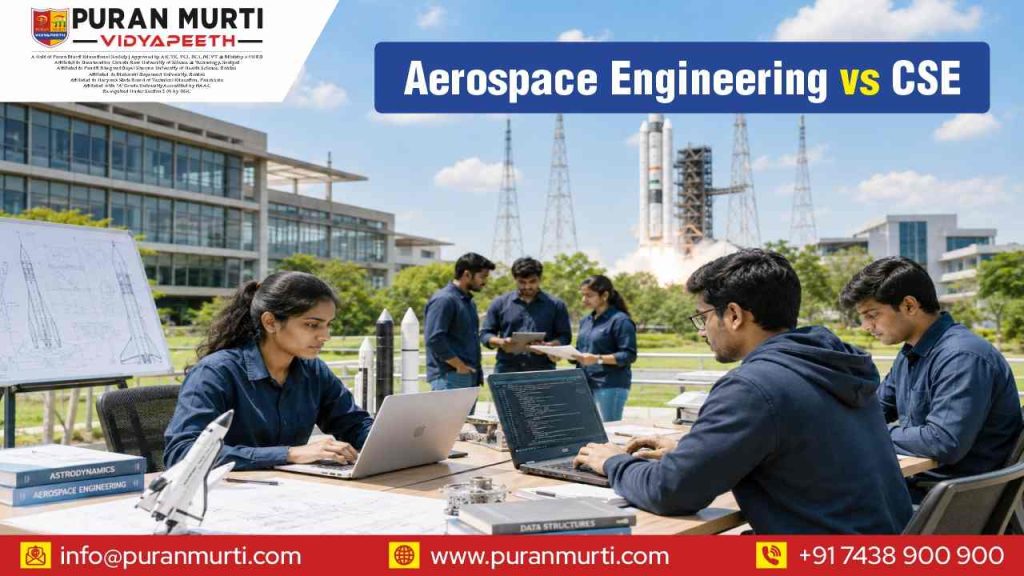
Choosing an engineering branch after Class 12 can feel overwhelming because every field offers unique opportunities. Among the most searched comparisons today is Aerospace Engineering vs CSE. Students interested in technology often find themselves deciding between the exciting world of aircraft and spacecraft design and the rapidly growing field of computer science.
The discussion around Aerospace Engineering vs CSE is not limited to salaries or placements. It also involves personal interests, career goals, industry demand, and long-term growth opportunities. While Aerospace Engineering focuses on aviation, spacecraft, propulsion systems, and aerodynamics, Computer Science Engineering revolves around software development, artificial intelligence, cybersecurity, and digital technologies.
Understanding the strengths of both fields can help students make a more informed decision and choose a branch that aligns with their future ambitions.
What is Aerospace Engineering?
Aerospace Engineering is a specialized branch of engineering that deals with the design, development, testing, and maintenance of aircraft, satellites, missiles, and spacecraft.
Students learn about flight mechanics, propulsion systems, aerodynamics, aircraft structures, and space technology. The field combines advanced mathematics, physics, and engineering principles to create technologies used in aviation and space exploration.
What is Computer Science Engineering?
Computer Science Engineering focuses on computer systems, software development, programming, networking, databases, cloud computing, cybersecurity, and artificial intelligence. In addition, the field continuously evolves as new technologies emerge and industries become more digital. As a result, students are exposed to both theoretical concepts and practical applications throughout their academic journey.
Furthermore, students develop technical skills that enable them to create software applications, websites, mobile apps, AI-powered systems, and various digital solutions used across industries. Moreover, they learn how to solve complex problems, optimize software performance, and build scalable technology products. Consequently, CSE graduates are in demand across sectors such as healthcare, finance, education, e-commerce, entertainment, and information technology.
Quick Comparison: Aerospace Engineering vs CSE
| Factor | Aerospace Engineering | CSE |
|---|---|---|
| Main Focus | Aircraft & Space Technology | Software & Computing |
| Industry | Aviation & Space | Information Technology |
| Demand | Specialized | Very High |
| Salary Potential | High | Very High |
| Global Opportunities | Good | Excellent |
| Work Environment | Labs, Manufacturing, Design Centers | Offices, Remote Work |
| Startup Opportunities | Limited | High |
| Future Scope | Strong | Extremely Strong |
Course Duration
| Course | Duration |
|---|---|
| B.Tech Aerospace Engineering | 4 Years |
| B.Tech CSE | 4 Years |
Both programs typically follow a four-year undergraduate curriculum.
Major Subjects in Aerospace Engineering
Students study engineering concepts related to flight and space systems.
| Subjects |
|---|
| Aerodynamics |
| Flight Mechanics |
| Aircraft Structures |
| Propulsion Systems |
| Spacecraft Design |
| Fluid Mechanics |
| Thermodynamics |
| Aircraft Maintenance |
Major Subjects in CSE
CSE focuses on software and computing technologies.
| Subjects |
|---|
| Programming Languages |
| Data Structures |
| Database Management |
| Artificial Intelligence |
| Machine Learning |
| Cloud Computing |
| Cybersecurity |
| Software Engineering |
Which Branch Has More Demand?
Computer Science Engineering currently enjoys broader demand because almost every industry requires software professionals.
Technology companies, startups, financial institutions, healthcare organizations, and government agencies continuously hire software engineers and technology specialists.
Aerospace Engineering offers excellent opportunities as well, but the industry is more specialized and has fewer openings compared to the IT sector.
Salary Comparison
Salary varies depending on skills, employer, and location.
| Experience Level | Aerospace Engineering | CSE |
|---|---|---|
| Freshers | ₹4–8 LPA | ₹4–12 LPA |
| Mid-Level | ₹8–18 LPA | ₹10–25 LPA |
| Senior Level | ₹20+ LPA | ₹25+ LPA |
Highly skilled professionals in both fields can earn significantly higher packages.
Work Environment
The nature of work differs considerably.
| Factor | Aerospace Engineering | CSE |
|---|---|---|
| Office Work | Moderate | High |
| Design Work | High | Moderate |
| Manufacturing Exposure | High | Low |
| Remote Work | Rare | Common |
| Site Visits | Occasional | Rare |
Students should consider the type of work environment they enjoy before making a choice.
Government Job Opportunities
Government organizations recruit graduates from both branches.
| Aerospace Engineering | CSE |
|---|---|
| ISRO | NIC |
| DRDO | DRDO IT Divisions |
| HAL | Digital India Projects |
| NAL | Government Technology Departments |
| Indian Air Force Technical Roles | PSU Technology Roles |
Government jobs remain a strong option for graduates from both fields.
Higher Education Opportunities
Students often pursue postgraduate studies to specialize further.
| After Aerospace Engineering | After CSE |
|---|---|
| M.Tech Aerospace | M.Tech CSE |
| Space Technology | Artificial Intelligence |
| Aerodynamics | Data Science |
| Aviation Management | Cybersecurity |
| MS Abroad | MS Abroad |
Future Scope of Aerospace Engineering
The aerospace sector is evolving rapidly due to increasing investments in aviation, satellite technology, defense systems, and space exploration.
Emerging areas include:
- Commercial Space Missions
- Satellite Technology
- Defense Systems
- UAV and Drone Technology
- Aircraft Design
- Space Research
The sector offers exciting opportunities for students passionate about aviation and space science.
Future Scope of CSE
Technology continues to influence every industry.
Key growth areas include:
- Artificial Intelligence
- Machine Learning
- Cybersecurity
- Data Science
- Cloud Computing
- Blockchain
- Robotics
- Software Development
The demand for skilled computer science professionals is expected to remain strong for years.
Which Branch is More Difficult?
The difficulty level of either branch largely depends on a student’s interests, strengths, and learning preferences. On one hand, Aerospace Engineering involves advanced mathematics, physics, fluid mechanics, thermodynamics, and complex engineering analysis, making it highly technical and research-oriented.
On the other hand, CSE requires strong logical thinking, programming expertise, problem-solving abilities, and a willingness to continuously learn as technologies evolve rapidly. Moreover, the fast-changing nature of the IT industry often requires CSE students to regularly update their skills.
Ultimately, students tend to perform better and enjoy greater success in the branch that genuinely matches their passion, aptitude, and long-term career goals.
Placement Opportunities
Campus placements vary by institution.
| Factor | Aerospace Engineering | CSE |
|---|---|---|
| Campus Recruitment | Good | Excellent |
| Industry Demand | Moderate | Very High |
| International Opportunities | Good | Excellent |
| Startup Opportunities | Limited | High |
At many colleges, CSE typically records higher placement percentages due to the size of the technology industry.
Entrepreneurship Potential
Graduates from both branches can pursue entrepreneurial ventures.
Aerospace graduates may work on:
- Drone Startups
- Aerospace Consulting
- Aviation Technology Solutions
CSE graduates often launch:
- Software Startups
- SaaS Businesses
- Mobile Applications
- Technology Platforms
Skills Required for Aerospace Engineering
| Skills |
|---|
| Mathematical Ability |
| Analytical Thinking |
| Engineering Design |
| Problem Solving |
| Technical Knowledge |
| Attention to Detail |
Skills Required for CSE
| Skills |
|---|
| Programming |
| Logical Thinking |
| Problem Solving |
| Creativity |
| Analytical Skills |
| Communication |

About Puran Murti Vidyapeeth
The institute is known for its focus on technical education, practical learning, laboratory exposure, and career-oriented training. Students can explore engineering programs in modern technology domains while benefiting from academic support, industry interaction, and campus facilities. The availability of hostel facilities, skill-development activities, and placement assistance also makes it a consideration for students looking for engineering education near Delhi NCR. Apply Now
Top Engineering Branches
BTech (Bachelor of Technology)
BTech is among the most popular courses after 12th Science (PCM).
Top Specializations:
- Aeronautical Engineering
- Aerospace Engineering
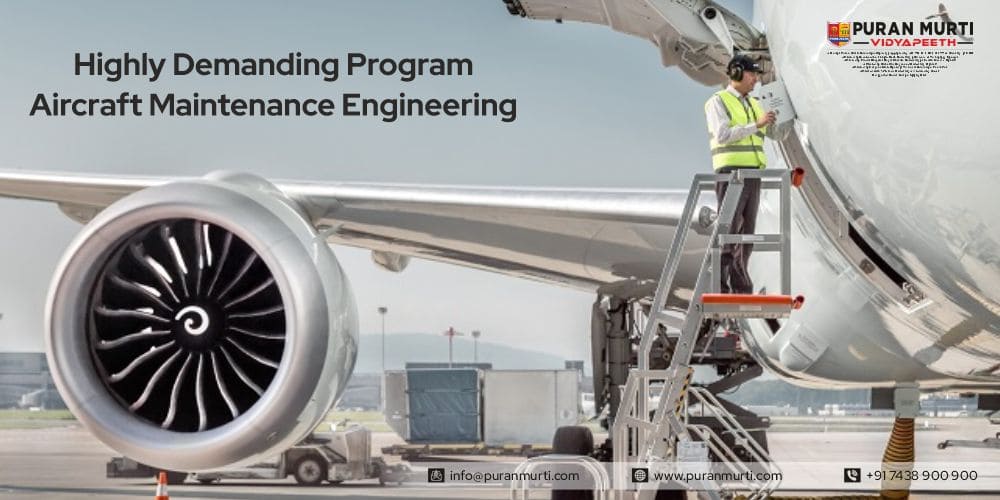
- Aircraft Maintenance Engineering (AME)
- Computer Science & Engineering (CSE)
- CSE with Artificial Intelligence and Machine Learning (AI & ML)
- Civil Engineering
- Electrical Engineering
- Electronics & Communication Engineering (ECE)
- Mechanical Engineering
Unique Aviation Programs (USP)
One of the biggest advantages of Puran Murti Vidyapeeth is its aviation-based courses, which are rare in India:
- B.Tech + AME (DGCA approved)
- B.Tech Mechanical Engineering + AME (DGCA)
- B.Tech ECE + AME (DGCA)
- B.Tech Computer Science
(AI & ML)+ AME (DGCA) - B.Tech Aeronautical Engineering
+ CPL (Ground Classes) - B.Tech Aerospace Engineering
+ CPL (Ground Classes)
Diploma Courses
Students can also choose job-oriented diploma courses: Apply Now
- Diploma in Automobile Engineering (AE)
- Diploma in AME (Aircraft Maintenance Engineering)
- Diploma in Aeronautical Engineering
- Diploma in Civil Engineering (CE)
- Diploma in Mechanical Engineering (ME)
- Diploma in Computer Science & Engineering (CSE)
- Diploma in Electronics & Communication Engineering (ECE)
- Diploma in Electrical Engineering (EE)
- Diploma in Fire Technology & Safety
- Diploma in Medical Lab Technology (MLT)
- Diploma in Hotel Management
- Diploma in CSE (AI & ML)
Key Highlights
Key Highlights
| Feature | Details |
|---|---|
| Location | Sonipat, Haryana |
| Region | Delhi NCR |
| Learning Approach | Industry-Oriented |
| Practical Training | Available |
| Hostel Facility | Available |
| Skill Development Focus | Strong |
Who Should Choose Aerospace Engineering?
Aerospace Engineering may suit students who:
- Love aviation and space technology
- Enjoy mathematics and physics
- Want to work on aircraft or spacecraft systems
- Are interested in defense and aerospace industries
- Prefer engineering design and research work
Who Should Choose CSE?
CSE may be ideal for students who:
- Enjoy computers and technology
- Like coding and software development
- Want diverse career opportunities
- Prefer flexible work environments
- Are interested in AI and emerging technologies
Final Verdict
The answer to the Aerospace Engineering vs CSE debate depends on your interests, strengths, and career aspirations.
If your dream is to contribute to aviation, spacecraft development, defense technology, or space exploration, Aerospace Engineering can provide a highly rewarding career.
If you are interested in software development, artificial intelligence, cybersecurity, cloud computing, and digital innovation, Computer Science Engineering offers broader opportunities, stronger placement trends, and higher demand across industries.
Neither branch is universally better. The right choice is the one that matches your passion and long-term goals.
FAQs
1. Which branch offers a higher salary, Aerospace Engineering or CSE?
CSE generally offers higher average salary packages due to strong demand in the technology sector.
2. Is Aerospace Engineering a good career in India?
Yes. Aerospace Engineering offers opportunities in aviation, defense, research organizations, and space technology sectors.
3. Which branch has better placements?
At most colleges, CSE records higher placement rates because of larger recruitment volumes from IT companies.
4. Can Aerospace Engineers work abroad?
Yes. Aerospace professionals are employed by aviation companies, research organizations, and aerospace manufacturers worldwide.
5. Which branch has better future scope?
Both fields have promising futures, but CSE currently provides broader employment opportunities across multiple industries.