Aerospace Engineering VS Aircraft Maintenance Engineering
Posted on : 15 June, 2026 9:36 am
Aerospace Engineering vs Aircraft Maintenance Engineering is one of the most searched comparisons among students who want to build a successful career in the aviation industry. Although both fields are associated with aircraft and aviation technology, they differ significantly in terms of responsibilities, career opportunities, and professional growth.
Many students assume that Aerospace Engineering and Aircraft Maintenance Engineering (AME) are similar because both involve aircraft. However, their core objectives are completely different. Aerospace Engineering focuses on designing, developing, testing, and improving aircraft, spacecraft, satellites, and defense systems. In contrast, Aircraft Maintenance Engineering focuses on inspecting, repairing, maintaining, and certifying aircraft to ensure safe flight operations. Therefore, understanding Aerospace Engineering vs Aircraft Maintenance Engineering is essential before choosing a career path in aviation.
The choice between these two programs can influence your future salary, job profile, work environment, higher education opportunities, and long-term career growth. As a result, students should carefully evaluate their interests and career goals before making a decision. In this comprehensive guide, we will compare Aerospace Engineering vs Aircraft Maintenance Engineering based on eligibility, curriculum, skills, placements, salary, recruiters, career opportunities, and future scope to help you choose the right path in 2026.
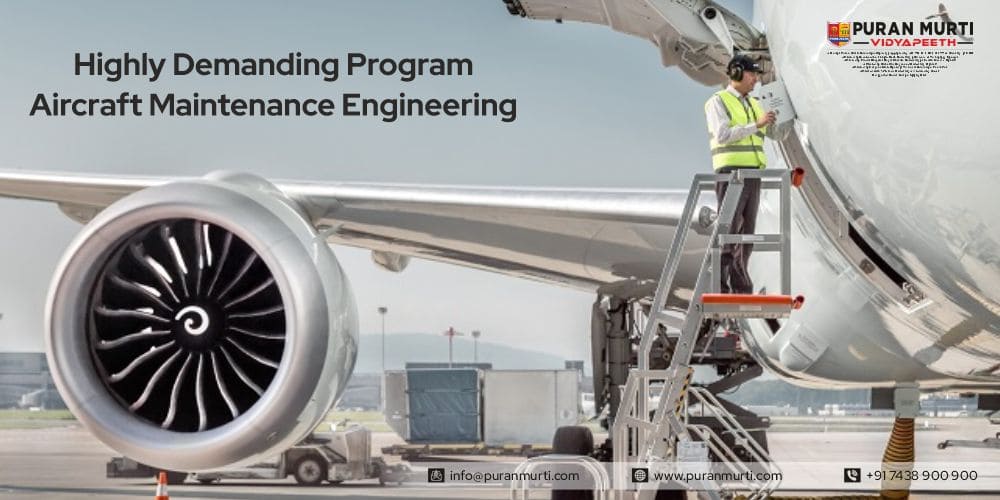
Quick Comparison: Aerospace Engineering vs Aircraft Maintenance Engineering
| Parameter | Aerospace Engineering | Aircraft Maintenance Engineering |
|---|---|---|
| Course Type | Engineering Degree | Aviation Maintenance Program |
| Primary Focus | Design & Development | Maintenance & Inspection |
| Duration | 4 Years | 2–4 Years |
| Core Objective | Innovation & Technology | Safety & Airworthiness |
| Industry | Aerospace & Space | Aviation Maintenance |
| Work Environment | Design Labs, Research Centers | Airports, Hangars, MRO Facilities |
| Licensing Requirement | Not Mandatory | Important for Career Growth |
| Higher Studies Opportunities | Extensive | Limited |
| Nature of Work | Research & Design | Practical & Technical |
Eligibility Criteria
- 10+2 with Physics, Chemistry, and Mathematics
- Minimum qualifying marks (varies by institution)
- Entrance exam scores depending on admission process
- 10+2 with Physics, Chemistry, and Mathematics
- Medical fitness as per aviation standards
- Admission through aviation institutes or entrance exams
Aerospace Engineering Subjects
- Aerodynamics
- Flight Mechanics
- Aircraft Structures
- Aerospace Materials
- Propulsion Systems
- Thermodynamics
- Avionics
- Space Technology
- Computational Fluid Dynamics
Aircraft Maintenance Engineering Subjects
- Aircraft Systems
- Aviation Regulations
- Aircraft Structures
- Gas Turbine Engines
- Aircraft Maintenance Practices
- Electrical Systems
- Maintenance Management
- Human Factors in Aviation
- Aircraft Inspection Procedures
Skills Required
- Strong mathematical skills
- Analytical thinking
- Design capabilities
- Programming knowledge
- Research aptitude
- Problem-solving abilities
- Technical troubleshooting
- Mechanical aptitude
- Precision and attention to detail
- Safety awareness
- Inspection expertise
- Decision-making skills
Placement Opportunities
Jobs in:
- Aerospace manufacturing companies
- Defense organizations
- Satellite technology firms
- Space research agencies
- Aircraft design companies
Popular roles:
- Aerospace Engineer
- Design Engineer
- Flight Test Engineer
- Avionics Engineer
Jobs in:
- Airlines
- Airports
- Maintenance Repair and Overhaul (MRO) organizations
- Aircraft service providers
Popular roles:
- Aircraft Maintenance Engineer
- Line Maintenance Technician
- Base Maintenance Engineer
- Quality Assurance Inspector

Top Recruiters
- Airbus
- Boeing
- HAL
- DRDO
- ISRO
- Air India
- IndiGo
- Akasa Air
- SpiceJet
- Lufthansa Technik
| Experience Level | Aerospace Engineering |
|
|
|---|---|---|---|
| Freshers | ₹4–8 LPA | ₹3–7 LPA | |
| Mid-Level | ₹8–15 LPA | ₹6–12 LPA | |
| Experienced | ₹15–30+ LPA | ₹10–20+ LPA |
Higher Education Opportunities
- M.Tech
- MS
- MBA
- PhD
- Specialized Certifications
- Aviation Management
- Safety Management Programs
- Aircraft Type Certifications
- MBA
- Aviation Operations Courses
Work Environment
- Research labs
- Design centers
- Manufacturing facilities
- Aerospace companies
- Airports
- Aircraft hangars
- Maintenance facilities
- Repair workshops
Future Scope
- Growth in commercial aviation
- Space exploration
- Satellite technology
- Defense modernization
- Drone technology
- Private space ventures
- Expansion of airline fleets
- Increasing air travel demand
- New airport developments
- Aviation safety regulations
- Growth of MRO facilities
Advantages of Aerospace Engineering
- Strong research opportunities
- Innovation and technology development
- International career prospects
- Opportunities in defense and space sectors
Advantages of Aircraft Maintenance Engineering
- Hands-on technical experience
- Direct involvement with aircraft operations
- Strong industry demand
- Specialized certification opportunities
- Critical role in passenger safety
Which Career Path Should You Choose?
Choose Aerospace Engineering If:
- You enjoy math and physics
- Interested in aircraft and spacecraft design
- Passionate about research and innovation
- Want to work in aerospace technology
- You prefer practical technical work
- Interested in aircraft maintenance
- Enjoy hands-on aviation careers
- Want to work directly with operational aircraft
Conclusion
Both Aerospace Engineering and Aircraft Maintenance Engineering play vital roles in aviation. Your choice depends on your interests, strengths, and career aspirations. Aerospace Engineering is ideal for those inclined toward design and research, while AME suits those who prefer technical, hands-on work in aircraft safety and maintenance.
About Puran Murti Vidyapeeth
The institute is known for its focus on technical education, practical learning, laboratory exposure, and career-oriented training. Students can explore engineering programs in modern technology domains while benefiting from academic support, industry interaction, and campus facilities. The availability of hostel facilities, skill-development activities, and placement assistance also makes it a consideration for students looking for engineering education near Delhi NCR. Apply Now
Top Engineering Branches
BTech (Bachelor of Technology)
BTech is among the most popular courses after 12th Science (PCM).
Top Specializations:
- Aeronautical Engineering
- Aerospace Engineering
- Aircraft Maintenance Engineering (AME)
- Computer Science & Engineering (CSE)
- CSE with Artificial Intelligence and Machine Learning (AI & ML)
- Civil Engineering
- Electrical Engineering
- Electronics & Communication Engineering (ECE)
- Mechanical Engineering
Unique Aviation Programs (USP)
One of the biggest advantages of Puran Murti Vidyapeeth is its aviation-based courses, which are rare in India:
- B.Tech + AME (DGCA approved)
- B.Tech Mechanical Engineering + AME (DGCA)
- B.Tech ECE + AME (DGCA)
- B.Tech Computer Science
(AI & ML)+ AME (DGCA) - B.Tech Aeronautical Engineering
+ CPL (Ground Classes) - B.Tech Aerospace Engineering
+ CPL (Ground Classes)
Diploma Courses
Students can also choose job-oriented diploma courses: Apply Now
- Diploma in Automobile Engineering (AE)
- Diploma in AME (Aircraft Maintenance Engineering)
- Diploma in Aeronautical Engineering
- Diploma in Civil Engineering (CE)
- Diploma in Mechanical Engineering (ME)
- Diploma in Computer Science & Engineering (CSE)
- Diploma in Electronics & Communication Engineering (ECE)
- Diploma in Electrical Engineering (EE)
- Diploma in Fire Technology & Safety
- Diploma in Medical Lab Technology (MLT)
- Diploma in Hotel Management
- Diploma in CSE (AI & ML)
| Feature | Details |
|---|---|
| Institution | Puran Murti Vidyapeeth |
| Location | Sonipat, Haryana |
| Region | Delhi NCR |
| Practical Training | Industry-Oriented Learning |
| Hostel Facility | Available |
| Skill Development | Focus on Employability |
| Industry Exposure | Workshops and Training Programs |
Frequently Asked Questions
1.Is Aircraft Maintenance Engineering better than Aerospace Engineering?
Neither is better universally; both serve different purposes in aviation.
2. Can AME graduates work in airlines?
Yes, airlines are primary employers of AME professionals.
3.Does Aerospace Engineering offer higher salary potential?
Generally, yes, especially in defense and research sectors.
4.Which course is more practical?
AME is more practical due to hands-on maintenance work.
5.Which field has better future scope?
Both have excellent future prospects in aviation growth.