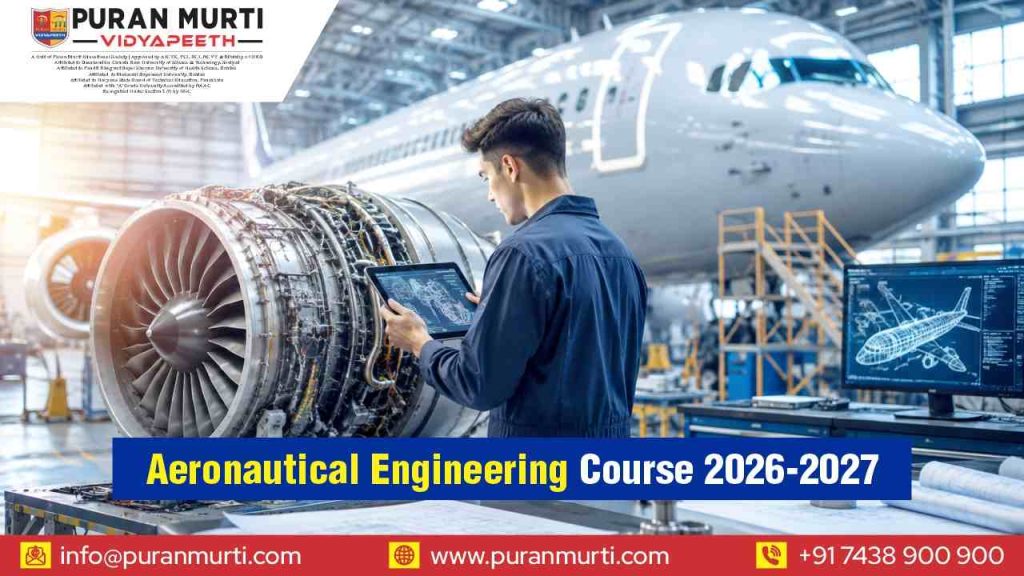
Aeronautical Engineering Course 2026–2027
Posted on : 4 August, 2026 12:17 am
Imagine designing the next generation of passenger aircraft, fighter jets, drones, or even space vehicles. If aviation, innovation, and advanced technology excite you, then the Aeronautical Engineering Course 2026–2027 could be the perfect career path.
India’s aerospace and aviation industries are expanding rapidly. Government initiatives such as Make in India, increasing defence investments, the growth of commercial aviation, drone technology, and private space companies are creating excellent opportunities for skilled aeronautical engineers.
For students in Sonipat, Delhi NCR, and across India, choosing the right college and course is the first step toward a rewarding engineering career. This guide explains everything you need to know—from eligibility and admission to career scope, salary, placements, and future opportunities.
What is Aeronautical Engineering Course 2026-2027?
Aeronautical Engineering is a specialized branch of engineering that focuses on the design, development, manufacturing, testing, maintenance, and performance improvement of aircraft operating within Earth’s atmosphere.
Students learn how aircraft fly, how engines generate thrust, how structures withstand extreme conditions, and how modern technologies improve aviation safety and efficiency.
Aeronautical Engineering is an engineering discipline that deals with designing, manufacturing, testing, and maintaining aircraft, helicopters, drones, and aviation systems. It combines physics, mathematics, mechanical engineering, electronics, and computer technology to build safe and efficient flying machines.
Why Choose Aeronautical Engineering Course 2026–2027?
The aviation industry is entering a new phase of innovation driven by sustainability, artificial intelligence, drone technology, and advanced aircraft manufacturing.
Top Reasons
- Growing aviation sector in India
- Rising demand for aerospace engineers
- Opportunities in defence and research
- High-paying technical careers
- International job prospects
- Emerging drone and UAV industry
- Future opportunities in space technology
According to industry reports, India continues to be one of the fastest-growing aviation markets globally, increasing the demand for skilled aviation professionals.
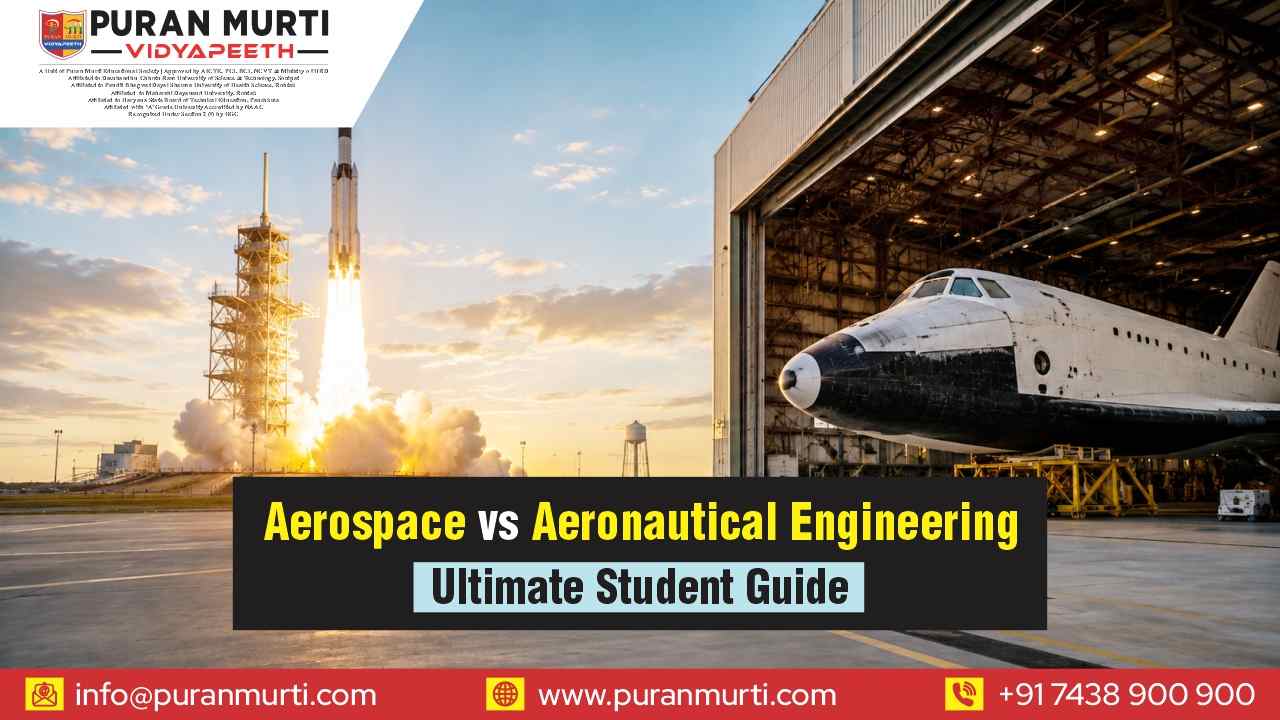
Aerospace vs Aeronautical Engineering: Confused? Here’s the Complete Guide
Aeronautical Engineering Course Highlights
| Particular | Details |
|---|---|
| Course Name | B.Tech Aeronautical Engineering |
| Duration | 4 Years |
| Eligibility | 10+2 with Physics, Chemistry & Mathematics |
| Admission | Merit or Entrance Exam |
| Course Level | Undergraduate |
| Internship | Industry & Research Based |
| Career Options | Aircraft Designer, Aerospace Engineer, Flight Test Engineer, UAV Engineer |
Who Should Choose Aeronautical Engineering?
This course is ideal for students who:
- Love science and mathematics
- Are curious about aircraft and aviation
- Enjoy problem-solving
- Want to work with cutting-edge technology
- Dream of contributing to India’s aerospace sector
- Want careers in research and innovation
Eligibility Criteria for Aeronautical Engineering Admission 2026
Basic Eligibility
Students must have:
- Passed Class 12
- Physics, Chemistry and Mathematics (PCM)
- Minimum qualifying percentage as prescribed by the institution
- Valid entrance examination score (where applicable)
Some universities may also conduct counselling based on merit.
Admission Process 2026–2027
Step 1
Complete Class 12 with PCM.
Step 2
Appear for engineering entrance examinations (if required).
Step 3
Apply to your preferred engineering college.
Step 4
Participate in counselling.
Step 5
Complete document verification and admission formalities.
Subjects Covered in Aeronautical Engineering
Students study both theoretical and practical subjects.
First Year
- Engineering Mathematics
- Engineering Physics
- Engineering Chemistry
- Engineering Graphics
- Programming Fundamentals
Core Subjects
- Aerodynamics
- Aircraft Structures
- Flight Mechanics
- Aircraft Design
- Aircraft Propulsion
- Aerospace Materials
- Avionics
- Computational Fluid Dynamics
- Aircraft Maintenance
- Aerospace Manufacturing
Practical Learning
- CAD Design
- Wind Tunnel Experiments
- Simulation Software
- Aircraft Models
- Industry Projects
- Laboratory Sessions
Skills Required to Become an Aeronautical Engineer
Successful engineers develop both technical and professional skills.
Technical Skills
- Engineering Mathematics
- CAD Software
- Programming
- Structural Analysis
- Fluid Mechanics
- Aircraft Systems
Soft Skills
- Teamwork
- Communication
- Leadership
- Analytical Thinking
- Creativity
- Project Management
Aeronautical Engineering vs Aerospace Engineering
| Feature | Aeronautical Engineering | Aerospace Engineering |
| Focus | Aircraft | Aircraft + Spacecraft |
| Working Area | Earth’s Atmosphere | Atmosphere + Space |
| Industries | Aviation | Aviation + Space Research |
| Examples | Passenger Aircraft | Satellites, Rockets, Aircraft |
Career Scope After Aeronautical Engineering
One of the biggest advantages of pursuing Aeronautical Engineering is the wide range of career opportunities.
Graduates may work in:
- Commercial Aviation
- Defence Manufacturing
- Aircraft Design
- Space Research
- Drone Technology
- Research Organizations
- Private Aerospace Companies
- Government Organizations
Popular Job Roles
- Aeronautical Engineer
- Aircraft Design Engineer
- Flight Test Engineer
- Aerospace Engineer
- Structural Design Engineer
- UAV Engineer
- Aircraft Maintenance Engineer
- Production Engineer
- Quality Engineer
- Simulation Engineer
Top Recruiters
Graduates can explore opportunities with organizations involved in aviation, defence, manufacturing, research, and aerospace technology.
Examples include:
- ISRO
- DRDO
- HAL
- NAL
- Air India
- Indigo
- Boeing
- Airbus
- Tata Advanced Systems
- Mahindra Aerospace
- L&T Defence
- Private Aviation Companies
Aeronautical Engineering Salary in India
Salary depends on skills, internships, employer, and location.
| Experience | Average Salary Range |
| Freshers | ₹4–8 LPA |
| 3–5 Years | ₹8–15 LPA |
| Senior Professionals | ₹15–30+ LPA |
Candidates with international certifications, research experience, and specialized software skills often receive higher salary packages.
Industry Exposure Matters
A quality engineering college should provide:
- Modern laboratories
- Aircraft simulation software
- CAD and CAM facilities
- Industry visits
- Workshops
- Guest lectures
- Live projects
- Research opportunities
- Internship support
- Placement assistance
These experiences help students become industry-ready before graduation.
Why Students from Sonipat & Delhi NCR Prefer Aeronautical Engineering
Students from Sonipat and Delhi NCR benefit from being close to one of India’s largest educational and industrial regions.
Advantages include:
- Better internship opportunities
- Strong industry connectivity
- Access to engineering companies
- Improved placement prospects
- Exposure to aviation events and seminars
Institutions such as Puran Murti Vidyapeeth focus on combining academic learning with practical exposure through laboratories, industry interaction, skill development activities, and placement support to prepare students for engineering careers.

How to Choose the Best Aeronautical Engineering College
Consider These Factors
- AICTE approval
- Experienced faculty
- Modern laboratories
- Placement record
- Industry collaborations
- Internship opportunities
- Campus infrastructure
- Research facilities
- Student support services
- Overall academic reputation
Top Benefits of Studying Aeronautical Engineering
- Excellent career growth
- High earning potential
- Global career opportunities
- Research-oriented profession
- Innovation-driven industry
- Opportunity to work on advanced technologies
- Contribution to national defence and aviation
Future Trends in Aeronautical Engineering
The future of aviation is being shaped by:
- Artificial Intelligence
- Electric Aircraft
- Green Aviation
- Hydrogen Fuel Technology
- Drone Delivery Systems
- Autonomous Flight
- Advanced Materials
- Digital Twin Technology
- Space Tourism
- Urban Air Mobility
Engineers graduating in 2026–2027 are expected to work on many of these emerging technologies.
How to Prepare for a Career in Aeronautical Engineering Course
Step-by-Step Guide
- Build a strong foundation in Physics and Mathematics.
- Learn CAD and engineering software.
- Participate in technical competitions.
- Complete internships during college.
- Develop communication and teamwork skills.
- Work on research projects.
- Stay updated with aviation technology.
Aerospace vs Aeronautical Engineering: Ultimate Student Guide
People Also Ask
What is the duration of the Aeronautical Engineering course?
The B.Tech Aeronautical Engineering course is generally completed in four years and includes classroom learning, laboratories, projects, internships, and industrial training.
Is Aeronautical Engineering a good career in India?
Yes. With expanding aviation, defence manufacturing, drone technology, and aerospace research, Aeronautical Engineering offers excellent career opportunities for skilled graduates.
Can PCM students apply for Aeronautical Engineering?
Yes. Students who complete Class 12 with Physics, Chemistry, and Mathematics are eligible to apply, subject to admission requirements of the institution.
Frequently Asked Questions
What is Aeronautical Engineering?
Aeronautical Engineering is the branch of engineering that focuses on designing, manufacturing, testing, and maintaining aircraft and aviation systems operating within Earth’s atmosphere.
What is the eligibility for Aeronautical Engineering in 2026?
Students must complete Class 12 with Physics, Chemistry, and Mathematics and satisfy the admission requirements of the respective college or university.
What is the duration of the Aeronautical Engineering course?
The undergraduate B.Tech Aeronautical Engineering program typically lasts four years.
Is Aeronautical Engineering difficult?
The course is academically challenging because it combines mathematics, physics, engineering principles, and practical problem-solving. However, students with a strong interest in science and technology can perform well with consistent effort.
What are the career options after Aeronautical Engineering?
Graduates can work as aircraft design engineers, aerospace engineers, flight test engineers, UAV engineers, production engineers, research engineers, and aviation consultants in public and private organizations.
What is the average salary after Aeronautical Engineering?
Fresh graduates may earn approximately ₹4–8 LPA, while experienced professionals can achieve significantly higher salary packages depending on their skills, organization, and specialization.
Conclusion
Aeronautical Engineering continues to be one of the most exciting engineering disciplines for students who dream of shaping the future of aviation and aerospace. With growing investments in commercial aviation, defence, drones, and advanced aircraft technologies, the demand for skilled engineers is expected to remain strong.
For students in Sonipat, Delhi NCR, and across India, selecting a reputed institution with experienced faculty, practical training, industry exposure, and placement support can make a significant difference in long-term career success. Institutions such as Puran Murti Vidyapeeth emphasize industry-oriented learning, modern laboratories, internships, and career guidance to help aspiring engineers build a strong foundation.
If you’re planning your engineering journey for 2026–2027, now is the ideal time to explore admission opportunities, visit campuses, interact with faculty, and choose a program that aligns with your career aspirations.
Call to Action
Ready to begin your journey toward an exciting career in aviation and aerospace?
Visit Puran Murti Vidyapeeth, explore the B.Tech Aeronautical Engineering program, meet expert faculty, experience the campus, and discover how industry-focused education can prepare you for a successful engineering career. Enquire about admissions today and take the first step toward your future.