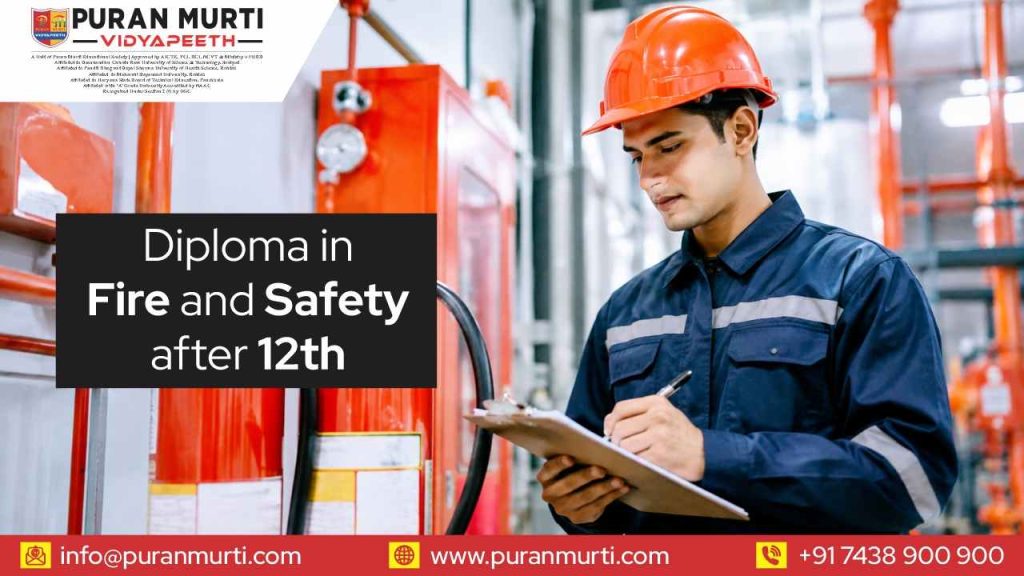
Diploma in Fire and Safety after 12th
Posted on : 20 August, 2026 11:37 am
Choosing a Diploma in Fire and Safety after 12th can be a practical career option for students who are interested in fire prevention, emergency response, industrial safety, disaster management, and workplace risk control. As industries become more focused on employee safety and regulatory compliance, trained fire and safety professionals are needed across different sectors.
A Diploma in Fire and Safety after 12th helps students understand how fires start, how risks can be identified, and how emergency situations can be managed. In addition, students may receive practical exposure to fire-fighting equipment, safety procedures, emergency evacuation, and workplace hazards.
Students considering a Diploma in Fire and Safety after 12th should also understand the course structure, eligibility requirements, duration, subjects, practical training, career opportunities, and future scope. These factors can help them make a more informed decision about their education and career.
However, eligibility, duration, admission requirements, curriculum, and recognition for a Diploma in Fire and Safety after 12th can differ between institutions. Therefore, students should check the latest information provided by their chosen institute before applying.
Apply Now
What Is a Diploma in Fire and Safety?
A Diploma in Fire and Safety is a career-oriented program designed to introduce students to fire prevention, fire protection, industrial safety, emergency management, and workplace safety practices.
The course generally combines theoretical learning with practical training. Students learn about different types of fire, fire extinguishers, fire prevention methods, safety equipment, emergency procedures, risk assessment, and workplace hazards.
After completing the program, students can explore entry-level opportunities in areas such as industrial safety, fire protection, construction safety, manufacturing, warehouses, hospitals, hotels, and other organizations where safety management is important.
Apply Now
Apply Now
Why Choose a Diploma in Fire and Safety After 12th?
There are several reasons students may consider this field after completing Class 12.
Growing Importance of Workplace Safety
Organizations across industries need to identify workplace hazards and develop appropriate safety procedures. As a result, trained safety professionals can play an important role in maintaining safer working environments.
Practical Career-Oriented Learning
Fire and safety programs are generally focused on practical knowledge. Students can learn about fire-fighting techniques, emergency response, safety equipment, hazard identification, and evacuation procedures.
Opportunities Across Different Industries
Fire and safety professionals can find opportunities in multiple sectors. These may include construction, manufacturing, oil and gas, hospitality, healthcare, logistics, infrastructure, and industrial organizations.
Scope for Further Learning
After completing a diploma, students can explore additional certifications, specialized safety programs, or higher education depending on their qualifications and the requirements of the institution they choose.
Apply Now
Diploma in Fire and Safety After 12th Eligibility
Eligibility requirements can vary depending on the institute and specific diploma program. Generally, students who have completed Class 12 from a recognized board can explore relevant diploma programs.
Some institutes may specify particular subject requirements, minimum marks, age criteria, or other conditions. Therefore, students should verify the current eligibility criteria before submitting an application.
Admission Process
The admission process depends on the institution. In many cases, students may be required to complete the following steps:
- Check the eligibility requirements.
- Select a suitable fire and safety diploma program.
- Complete the application form.
- Submit the required academic and identification documents.
- Attend counselling or an admission interaction if required.
- Complete the fee payment and admission formalities.
- Begin the academic and practical training program.
Students should confirm the latest admission schedule, documents, fees, and selection process directly with their chosen institute.
Diploma in Fire and Safety Course Duration
The duration of a Diploma in Fire and Safety depends on the specific program and institution. Different institutes may offer programs with different durations and curriculum structures.
Before admission, students should check:
- Total course duration
- Number of semesters
- Practical training requirements
- Internship opportunities
- Examination pattern
- Certification or diploma awarded after completion
Subjects in Diploma in Fire and Safety
The exact syllabus differs between institutes. However, students may study topics related to:
- Fire Prevention and Protection
- Fire Fighting Techniques
- Industrial Safety
- Occupational Health and Safety
- Safety Management
- Fire Detection Systems
- Fire Extinguishing Equipment
- Emergency Response
- Disaster Management
- Hazard Identification
- Risk Assessment
- Workplace Safety
- Electrical Safety
- Construction Safety
- Industrial Hazards
- First Aid and Emergency Care
- Safety Regulations and Procedures
The practical component may help students understand how safety equipment and emergency procedures are used in real-world situations.
Apply Now
Practical Training in Fire and Safety
Practical exposure is an important part of safety education. Depending on the institute, students may participate in demonstrations and training related to:
- Fire extinguisher operation
- Fire prevention techniques
- Emergency evacuation
- Fire alarm systems
- Personal protective equipment
- First-aid procedures
- Hazard identification
- Emergency response
- Safety inspections
- Basic rescue procedures
Such training can help students develop confidence in responding to workplace safety situations.
Career Options After Diploma in Fire and Safety
After completing a diploma, students can explore different entry-level roles depending on their qualifications, practical skills, certifications, and employer requirements.
Potential career profiles include:
| Job Profile | Typical Work Area |
|---|---|
| Fire Safety Officer | Fire prevention and workplace safety |
| Safety Officer | Industrial and workplace safety |
| Fire Safety Supervisor | Fire protection and emergency procedures |
| Safety Supervisor | Safety monitoring and compliance |
| Fire Prevention Assistant | Fire prevention activities |
| HSE Assistant | Health, Safety and Environment |
| Safety Technician | Safety equipment and procedures |
| Fire Protection Assistant | Fire protection systems |
| Emergency Response Assistant | Emergency preparedness and response |
| Industrial Safety Assistant | Industrial workplace safety |
Job titles and responsibilities can vary between employers.
Industries Hiring Fire and Safety Professionals
A Diploma in Fire and Safety can provide exposure to safety requirements across several industries.
Construction Industry
Construction sites involve risks related to electrical systems, machinery, heights, chemicals, and materials. Safety professionals can assist with hazard identification and workplace safety procedures.
Manufacturing Industry
Factories use machinery, electrical equipment, chemicals, and other industrial systems. Fire and safety personnel can help monitor safety practices and emergency preparedness.
Oil and Gas Industry
Oil, gas, and petrochemical facilities have specialized fire and safety requirements because of the presence of flammable materials and industrial processes.
Hospitals
Hospitals require fire prevention, evacuation planning, emergency preparedness, and regular safety procedures to protect patients, visitors, and employees.
Hotels and Hospitality
Hotels need fire alarms, emergency exits, evacuation procedures, fire extinguishers, and trained personnel to respond to emergencies.
Warehousing and Logistics
Warehouses can involve storage-related fire hazards, electrical risks, and material-handling activities. Safety professionals can help identify and manage these risks.
Apply Now
Diploma in Fire and Safety Salary
Salary after a Diploma in Fire and Safety depends on several factors, including:
- Job role
- Industry
- Location
- Employer
- Practical experience
- Additional certifications
- Technical skills
- Level of responsibility
Freshers generally begin with entry-level positions, while professionals can potentially progress to higher responsibilities with experience and additional qualifications.
Students should therefore avoid selecting a course based only on expected salary. Practical training, recognized qualifications, industry exposure, and long-term career development are also important.
Skills Required for a Fire and Safety Career
A successful career in fire and safety requires more than academic knowledge. Students should gradually develop skills such as:
- Risk assessment
- Fire prevention
- Emergency response
- Communication
- Teamwork
- Problem-solving
- Safety inspection
- Basic first aid
- Hazard identification
- Safety equipment handling
- Decision-making
- Emergency preparedness
Physical fitness and the ability to remain calm during emergency situations can also be valuable for certain safety-related roles.
Apply Now
Future Scope of Fire and Safety
The future scope of fire and safety is connected to the increasing focus on workplace safety, industrial risk management, emergency preparedness, and regulatory compliance.
As industries expand their safety systems, organizations may require professionals who understand fire prevention and workplace hazards. Furthermore, experience and additional safety certifications can help professionals develop specialized career paths.
Students can also explore higher studies or professional certifications after completing their diploma, depending on their educational background and career goals.
Diploma in Fire and Safety vs Other Diploma Courses
Students often compare fire and safety with other technical diploma programs. The right choice depends on individual interests and career goals.
| Factor | Diploma in Fire and Safety |
|---|---|
| Main Focus | Fire prevention and workplace safety |
| Learning Style | Theory + practical training |
| Career Areas | Industrial, construction, healthcare, hospitality and other sectors |
| Key Skills | Risk assessment, emergency response and safety management |
| Suitable For | Students interested in safety and emergency management |
| Career Growth | Can improve with experience and additional qualifications |
How to Choose the Right Fire and Safety College?
Before taking admission, students should carefully compare different institutes. Consider the following factors:
- Course curriculum
- Institute recognition
- Faculty experience
- Practical training facilities
- Fire-fighting training
- Laboratory and equipment
- Internship opportunities
- Industry exposure
- Placement assistance
- Course fees
- Location and accessibility
- Student reviews and reputation
Most importantly, verify the current recognition and eligibility of the specific program rather than relying only on promotional claims.
Apply Now
Is Diploma in Fire and Safety After 12th a Good Career Choice?
A Diploma in Fire and Safety after 12th can be a suitable option for students who enjoy practical learning and are interested in fire prevention, workplace safety, emergency response, and risk management.
It can introduce students to a specialized field with applications across several industries. Nevertheless, career growth depends on education, practical experience, professional skills, additional certifications, and the type of organization where a person works.
Frequently Asked Questions
1.What is a Diploma in Fire and Safety after 12th?
It is a diploma-level program that introduces students to fire prevention, fire protection, industrial safety, emergency response, and workplace risk management.
2.Can I pursue a Diploma in Fire and Safety after 12th?
Yes, many institutions offer fire and safety diploma programs to students who have completed Class 12. However, eligibility requirements vary by institute.
3.What jobs can I get after a Fire and Safety Diploma?
Depending on qualifications and employer requirements, graduates can explore roles such as Safety Officer, Fire Safety Officer, Safety Supervisor, HSE Assistant, and Fire Protection Assistant.
4.What is the scope of Fire and Safety?
Fire and safety professionals can explore opportunities in industries such as construction, manufacturing, healthcare, hospitality, logistics, infrastructure, and industrial organizations.
5.Is practical training included in the course?
Many fire and safety programs include practical demonstrations and training. However, the exact practical components depend on the institution and course curriculum.
Apply Now
Conclusion
A Diploma in Fire and Safety after 12th can help students build foundational knowledge in fire prevention, emergency response, industrial safety, and workplace risk management. The combination of theoretical concepts and practical exposure can prepare students to explore entry-level opportunities across several industries.
Before choosing a program, students should compare the eligibility, curriculum, duration, recognition, practical training, fees, and career opportunities offered by different institutes. With relevant education, practical experience, and continuous skill development, students can work toward building a long-term career in the fire and safety sector.
About Puran Murti Vidyapeeth Apply Now
The institute is known for its focus on technical education, practical learning, laboratory exposure, and career-oriented training. Students can explore engineering programs in modern technology domains while benefiting from academic support, industry interaction, and campus facilities. The availability of hostel facilities, skill-development activities, and placement assistance also makes it a consideration for students looking for engineering education near Delhi NCR. Apply Now
Top Engineering Branches
BTech (Bachelor of Technology)
BTech is among the most popular courses after 12th Science (PCM).
Top Specializations:
- Aeronautical Engineering
- Aerospace Engineering
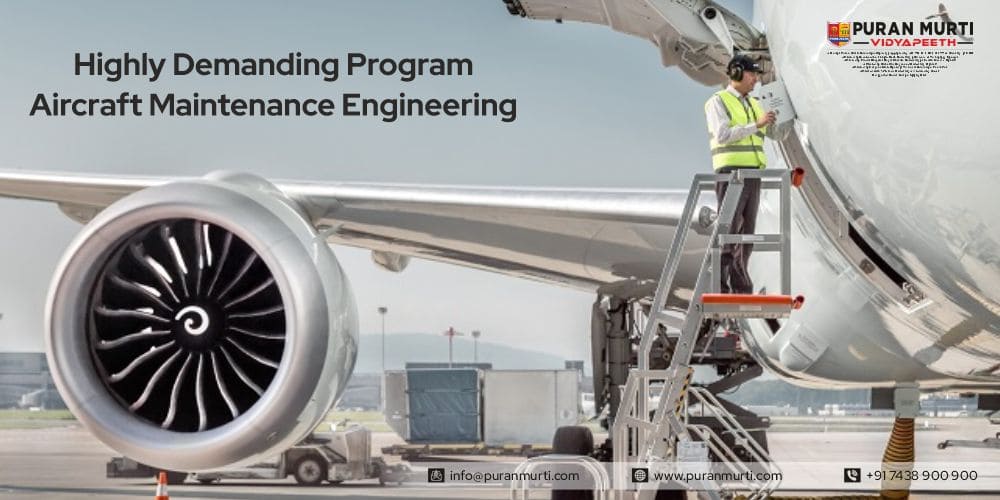
- Aircraft Maintenance Engineering (AME)
- Computer Science & Engineering (CSE)
- CSE with Artificial Intelligence and Machine Learning (AI & ML)
- Civil Engineering
- Electrical Engineering
- Electronics & Communication Engineering (ECE)
- Mechanical Engineering
Unique Aviation Programs (USP)
One of the biggest advantages of Puran Murti Vidyapeeth is its aviation-based courses, which are rare in India:
- B.Tech + AME (DGCA approved)
- B.Tech Mechanical Engineering + AME (DGCA)
- B.Tech ECE + AME (DGCA)
- B.Tech Computer Science
(AI & ML)+ AME (DGCA) - B.Tech Aeronautical Engineering
+ CPL (Ground Classes) - B.Tech Aerospace Engineering
+ CPL (Ground Classes)
Diploma Courses
Students can also choose job-oriented diploma courses: Apply Now
- Diploma in Automobile Engineering (AE)
- Diploma in AME (Aircraft Maintenance Engineering)
- Diploma in Aeronautical Engineering
- Diploma in Civil Engineering (CE)
- Diploma in Mechanical Engineering (ME)
- Diploma in Computer Science & Engineering (CSE)
- Diploma in Electronics & Communication Engineering (ECE)
- Diploma in Electrical Engineering (EE)
- Diploma in Fire Technology & Safety
- Diploma in Medical Lab Technology (MLT)
- Diploma in Hotel Management
- Diploma in CSE (AI & ML)