

BBA Job And Salary
Posted on : 5 May, 2026 4:15 pm
BBA job and salary is one of the first things most students start thinking about when college begins to end. It is a very normal question. After spending three years studying business, management, and basic corporate subjects, most students naturally want to know what comes next. What kind of job can you actually get? And more importantly, how much can you realistically earn in the beginning?
That is usually where the real thinking starts. The good thing about BBA is that it does not push everyone into one fixed path. That is one of the biggest reasons many students still choose it. Some people move into private jobs right after graduation. Some try banking.
Some go into sales, marketing, or HR. Others prepare for government exams or decide to study more later. Because of that, BBA job and salary can look very different from one person to another. And honestly, that flexibility is what makes BBA useful.
What Kind of Jobs Can You Get After BBA?
One of the better things about BBA is that it gives students access to different types of business jobs after graduation.
Not everyone ends up doing the same kind of work, and that is actually a good thing. Someone who is comfortable speaking and dealing with people may do well in sales or marketing.
Someone who prefers office work and coordination may feel more comfortable in HR or operations. And someone who is better with numbers may naturally move toward finance or banking. That is what makes BBA practical. It gives people room to choose based on what suits them.
Some of the most common jobs after BBA include:
| Job Role | Industry | Average Starting Salary |
|---|---|---|
| Business Development Executive | Sales | ₹3–5 LPA |
| Marketing Executive | Marketing | ₹3–6 LPA |
| HR Executive | Human Resources | ₹3–5 LPA |
| Financial Analyst | Finance | ₹4–7 LPA |
| Operations Executive | Operations | ₹3–5 LPA |
| Sales Executive | Sales | ₹2.5–5 LPA |
| Relationship Manager | Banking / Finance | ₹3–6 LPA |
| Customer Success Executive | Services | ₹3–5 LPA |
| Management Trainee | Corporate | ₹3–6 LPA |
This is where a lot of BBA graduates usually begin.
Also Read :
BBA Salary in India for Freshers
This is probably the most common question students ask. How much can you actually earn after BBA? The honest answer is simple — it depends.
Salary after BBA usually depends on a few basic things:
- the job role
- the city
- the company
- communication skills
- internship experience
- confidence
- practical skills
Most freshers usually start somewhere between ₹2.5 LPA and ₹6 LPA. That is the normal starting range for many BBA graduates in India.
Some start lower. Some start better. It usually depends on how prepared they are and what kind of role they enter.
Also Read :
BBA Job and Salary by Field
Not every field pays the same, and that is something students should understand early. Some roles offer faster growth. Some offer more stability. Some start lower but improve with time.
A simple comparison makes this easier to understand:
| Field | Common Role | Average Starting Salary |
|---|---|---|
| Sales | Sales Executive | ₹2.5–5 LPA |
| Marketing | Marketing Executive | ₹3–6 LPA |
| HR | HR Executive | ₹3–5 LPA |
| Finance | Financial Analyst | ₹4–7 LPA |
| Banking | Relationship Manager | ₹3–6 LPA |
| Operations | Operations Executive | ₹3–5 LPA |
This gives a more practical idea of what students usually earn in different fields.
Also Read :
Private Jobs After BBA
Most students begin in:
- startups
- corporate offices
- retail companies
- service firms
- digital companies
- consulting businesses
Private jobs can be fast, sometimes stressful, but they usually teach a lot in a short time. That is why many students start here.
Also Read :

Banking Jobs and Salary After BBA
Banking is one of the most common options after BBA, and for many students, it feels like a natural choice. Since BBA already covers business, finance, and management basics, students often find banking easier to understand and easier to enter. As a result, many fresh graduates begin their careers in banking roles such as:
- Relationship Manager
- Banking Associate
- Customer Service Executive
- Loan Officer
- Sales Officer
In most cases, freshers in banking usually start between ₹3 LPA and ₹6 LPA, depending on the company, role, and location. Moreover, students with better communication skills and internship experience often start on the higher side.
Marketing Jobs and Salary After BBA
Marketing is another common path after BBA, especially for students who are confident in communication. Since marketing involves customer interaction, presentations, and business communication, many students naturally feel more comfortable in this field. As a result, students who enjoy speaking, presenting, and handling people often choose marketing roles.
Common roles include:
- Marketing Executive
- Digital Marketing Executive
- Brand Associate
- Business Development Executive
In most cases, freshers in marketing usually start between ₹3 LPA and ₹6 LPA. Moreover, students with stronger communication skills, confidence, and practical exposure often get better starting opportunities.
Also Read :
HR Jobs and Salary After BBA
HR is usually preferred by students who are comfortable with communication, coordination, and office-based work. Since HR mainly involves people management, hiring, and internal coordination, many BBA graduates find it easier to connect with. As a result, it becomes one of the more stable and structured career paths after BBA.
Common roles include:
- HR Executive
- Recruiter
- HR Coordinator
- Talent Acquisition Executive
In most cases, freshers in HR usually begin between ₹3 LPA and ₹5 LPA. Moreover, students with better communication skills and confidence often perform better in HR roles and interviews.
Also Read :
Finance Jobs and Salary After BBA
For people who are more comfortable with numbers, finance is often the better fit. It usually suits students who prefer structured work, reports, and analytical tasks. Common finance roles include:
- Financial Analyst
- Accounts Executive
- Finance Associate
- Credit Analyst
Finance often offers one of the better starting salary ranges after BBA.
Most freshers usually begin between ₹4 LPA and ₹7 LPA.
Government Job Salary After BBA
Some students choose government jobs after BBA because they want more stability and long-term security. This route usually takes more time, but many still prefer it for that reason.
Common options include:
- Banking exams
- SSC
- Railways
- Insurance
- State government jobs
Government salary after BBA usually starts somewhere between ₹3.5 LPA and ₹8 LPA, depending on the role.
What Affects BBA Salary the Most?
Not every BBA graduate starts at the same salary, and that is completely normal. A few things usually make the biggest difference:
- communication
- confidence
- internship experience
- city
- company type
- specialization
- practical skills
In real placements, these often matter more than marks alone.
How to Improve Salary After BBA
A BBA degree gives students the base, but better salary usually comes with better skills. In most cases, students who get stronger salary offers also spend time improving practical skills. For example, they usually work on:
- communication
- Excel
- presentations
- business writing
- internship exposure
- confidence
- digital skills
At first, these may look like small improvements. However, they often make a big difference during placements and interviews.
After BBA Job Opportunities are something almost every student starts thinking about once graduation gets closer. Some students want to start working immediately, while others think about higher studies or government exams. That is usually when students begin exploring After BBA Job Opportunities and trying to understand which path makes the most practical sense for their future.
Why BBA Still Works for a Lot of Students
BBA is not one of those degrees that leaves students with only theory and confusion.
It is simple, practical, and easier to connect with in real life. Most students spend three years learning basic business, communication, management, presentations, and how companies actually work. That may sound basic, but in real jobs, these things matter more than people think. A student who can speak well, understand business basics, handle people, and work in a team already has a useful starting point. That is exactly why BBA still works for a lot of people.
In fact, it also helps students slowly build confidence in professional environments, understand workplace discipline, and develop decision-making skills through case studies and group activities. Over time, they start seeing how different departments in a company are connected and how small business decisions can affect larger outcomes.
Also Read :
BBA at Puran Murti Vidyapeeth Delhi-NCR
The BBA course at Puran Murti Vidyapeeth is simple, practical, and easy to follow. It is a 3-year undergraduate course with 6 semesters. First, students learn the basics of business in a simple way. Then, they move step by step into management, finance, communication, and business operations. As a result, the course feels easier to understand and more useful in real life.
Students study subjects like management, accounting, marketing, HR, and business communication. Along with classroom learning, they also attend seminars, presentations, and internship activities. In addition, the course includes soft skill training to improve confidence. So, students learn both business knowledge and practical skills together. Apply Now
Also Read :
Why Students Consider Puran Murti Vidyapeeth for BBA
Many students do not only compare colleges by name. They compare them by comfort, cost, location, and whether the course feels useful in real life. That is where Puran Murti Vidyapeeth becomes relevant for many students.
Students often consider it because it offers:
- BBA in a practical and easy-to-understand format
- location near Delhi-NCR
- manageable fee structure
- regular classroom learning
- business-focused subjects
- internship and industry exposure
- hostel and transport support
For students who want a simpler and more balanced college experience, these points matter a lot.
Also Read :
Admission Process at Puran Murti Vidyapeeth Delhi-NCR
The admission process is one of the easier parts, which many students and parents prefer. It is usually simple, direct, and easier to follow compared to colleges where the process feels more complicated.
Students usually follow these steps:
| Step | Process |
|---|---|
| 1 | Fill the application form |
| 2 | Submit academic documents |
| 3 | Registration / merit review |
| 4 | Counselling or personal interaction |
| 5 | Seat confirmation |
| 6 | Fee payment |
| 7 | Admission completion |
The process is mostly direct, which helps students complete admission without too much confusion. (Puran Murti Vidyapeeth)
Eligibility for BBA Admission
The eligibility is simple and easy for most students to understand. The college generally allows students from different academic backgrounds to apply for BBA.
| Criteria | Requirement |
|---|---|
| Qualification | 10+2 Pass |
| Stream | Any Stream |
| Minimum Marks | 45%–50% |
| Admission Basis | Merit Based |
| Nepal Students | Eligible |
Students from commerce, science, or arts backgrounds can usually apply, which makes the course accessible to a wider group of students. (Puran Murti Vidyapeeth)
Also Read :
Campus Infrastructure at Puran Murti Vidyapeeth
Campus life matters because students spend three years there. So, daily comfort plays a big role in learning and overall student life. A good campus helps students study better, adjust faster, and feel more comfortable.
Puran Murti Vidyapeeth offers a simple and practical campus for students. It focuses on useful facilities that support daily learning and student needs. Instead of only looking impressive, the campus is designed to make student life easier, smoother, and more comfortable.
Students usually get access to:
- smart classrooms
- computer labs
- library
- seminar halls
- business learning spaces
- hostel facilities
- cafeteria
- sports area
- transport support
- campus Wi-Fi
The campus is built in a way that supports regular learning, basic comfort, and a smoother student experience.
Also Read :

What Kind of Jobs Can You Get After BBA?
This is where BBA becomes useful.
You are not pushed into one narrow path. That makes things easier because not everyone wants the same type of job after college.
Some people are comfortable talking to clients. They usually move into sales or marketing. Some prefer office work and structure, so HR or operations feels better. Some are better with numbers, so finance or banking starts making more sense.
That is the practical side of BBA. It gives enough flexibility to move where your strengths are.
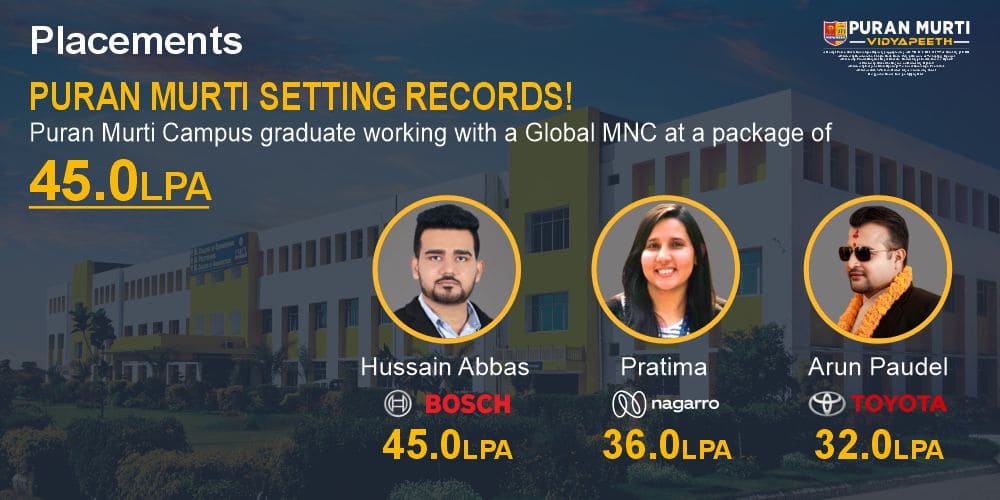
Here are some of the most common roles people usually start with:
| Job Role | Industry | Average Starting Salary |
|---|---|---|
| Business Development Executive | Sales | ₹3–5 LPA |
| Marketing Executive | Marketing | ₹3–6 LPA |
| HR Executive | Human Resources | ₹3–5 LPA |
| Financial Analyst | Finance | ₹4–7 LPA |
| Operations Executive | Operations | ₹3–5 LPA |
| Sales Executive | Sales | ₹2.5–5 LPA |
| Relationship Manager | Banking / Finance | ₹3–6 LPA |
| Customer Success Executive | Services | ₹3–5 LPA |
| Management Trainee | Corporate | ₹3–6 LPA |
Most BBA graduates begin somewhere around these roles.
Private Jobs After BBA
This is where a lot of graduates start.
Private jobs are usually the fastest route after BBA because companies hire regularly and the entry is more direct. For someone who wants to start working quickly, this is often the easiest path. Most people usually begin in corporate offices, startups, service companies, retail businesses, or digital firms.
The work can be fast, sometimes stressful, but it teaches a lot very quickly. That is the biggest reason many people start here.
Also Read :
Top Jobs for BBA Graduates in India
Here are some popular Jobs for BBA Graduates: Apply Now
1. Marketing Executive
Work on promotions, branding, and campaigns.
2. HR Executive
Handle recruitment, employee management, and training.
3. Sales Executive
Focus on selling products/services and achieving targets.
4. Business Development Executive
Find new business opportunities and clients.
5. Digital Marketing Executive
Handle online marketing, ads, and social media.
6. Financial Analyst
Work with data, budgets, and company finances.
7. Operations Manager
Manage daily business operations.
Top Industries Hiring BBA Graduates
- IT and tech companies
- E-commerce platforms
- Banking and finance sector
- Advertising and marketing agencies
- Startups and small businesses
Banking Jobs After BBA
Banking is one of the most common choices after BBA, and honestly, it makes sense.
A BBA student already spends time around business, finance, economics, and management basics during the course. Because of that exposure, banking concepts like loans, deposits, customer handling, and financial services feel easier to understand compared to students from many other streams.
In addition, the structured nature of the banking sector also matches well with what BBA students learn in terms of discipline, communication, and organizational behavior. A lot of fresh graduates therefore begin with roles like Relationship Manager, Banking Associate, Customer Service Executive, Loan Processing Executive, or Sales Officer, depending on their skills and interview performance.
Overall, banking is usually seen as a stable option with decent starting salary, regular working systems, and steady growth opportunities over time, especially for those who are consistent and willing to improve their communication and sales abilities.
Also Read :
FAQs About BBA Job and Salary
1. Is BBA good for getting a job after graduation?
Yes, BBA is a good option for students who want to start working after graduation. Since the course builds business knowledge and practical understanding, many students find it easier to enter fields like sales, marketing, HR, and operations. As a result, BBA often becomes a practical starting point for business-related careers.
2. What is the average starting salary after BBA?
In most cases, the average starting salary after BBA ranges between ₹2.5 LPA and ₹6 LPA. However, salary usually depends on the job role, company, city, and student skills. Moreover, students with internships and better communication skills often get stronger starting packages.
3. Which job is best after BBA?
The best job after BBA usually depends on student interest and skill level. For example, students who enjoy communication often prefer marketing or sales, while others may choose HR, finance, or operations. Therefore, the best role is usually the one that matches both skill and career interest.
4. Can BBA students get high salary jobs?
Yes, BBA students can get good salary jobs, especially when they build strong practical skills. Although most students begin with average fresher packages, salary usually improves with experience, confidence, and better performance. In addition, students who move into finance, digital marketing, or management roles often grow faster.
5. Is BBA better for jobs or higher studies?
BBA works well for both. Some students start working right after graduation, while others prepare for MBA, government exams, or certifications. So, the better option usually depends on whether a student wants early work experience or stronger long-term growth through higher studies.
Also Read :