Aerospace Engineering Placement
Posted on : 15 June, 2026 10:20 am
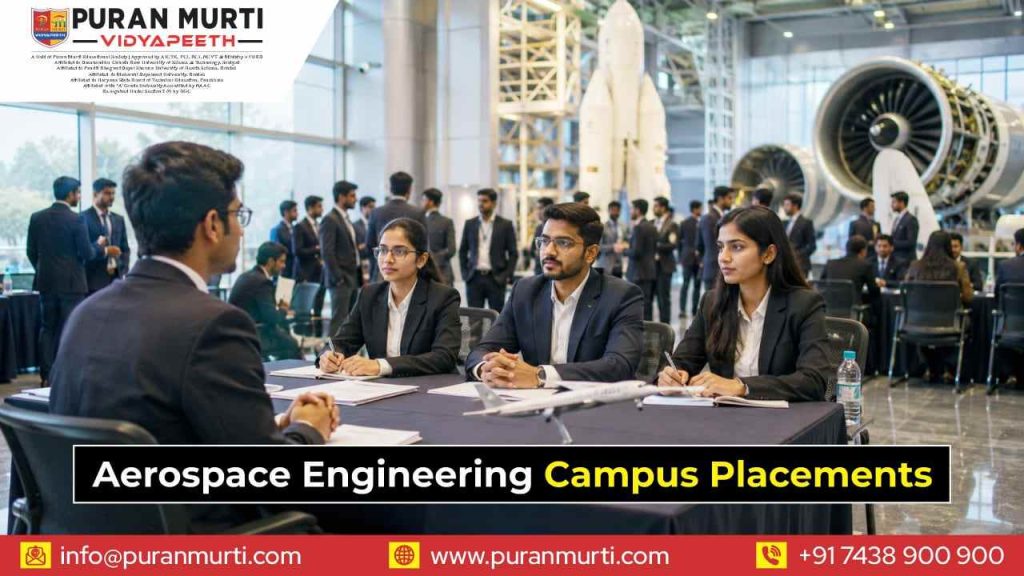
Aerospace Engineering Placement in India has become a major concern for students planning to pursue this specialized engineering field. While aerospace engineering offers exciting opportunities in aviation, defense, space research, and advanced technology sectors, students often want to know whether good placement opportunities are available after graduation.
Over the past decade, India’s aerospace sector has witnessed remarkable growth. Organizations such as ISRO, DRDO, HAL, Boeing, Airbus, and Tata Advanced Systems have expanded their operations significantly. As a result, Aerospace Engineering Placement in India has improved considerably, especially for students graduating from reputed institutions with strong technical skills and industry exposure.
If you are considering a career in aerospace engineering, understanding Aerospace Engineering Placement in India can help you make a well-informed decision. This comprehensive guide covers placement opportunities, salary packages, top recruiters, required skills, higher studies options, future scope, and everything students need to know before entering this exciting industry.
What is Aerospace Engineering?
Aerospace Engineering is a branch of engineering that focuses on the design, development, testing, manufacturing, and maintenance of aircraft, spacecraft, satellites, missiles, drones, and defense systems.
The discipline combines multiple engineering domains, including:
- Mechanical Engineering
- Electronics Engineering
- Computer Science
- Aerodynamics
- Materials Science
- Propulsion Technology
The field is generally divided into two major categories.
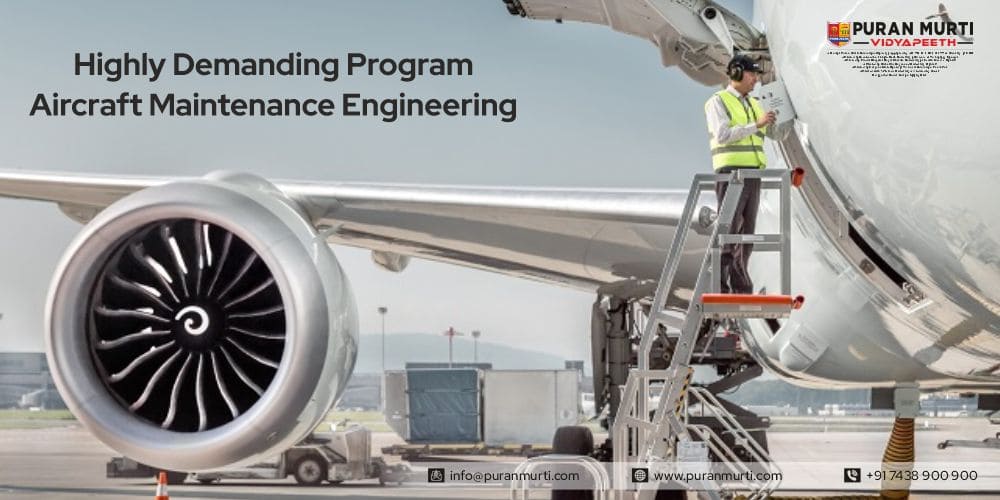
Aeronautical Engineering
This branch focuses on technologies operating within the Earth’s atmosphere, including:
- Commercial Aircraft
- Military Aircraft
- Helicopters
- Drones
Astronautical Engineering
This branch deals with technologies operating beyond Earth’s atmosphere, including:
- Satellites
- Rockets
- Spacecraft
- Space Exploration Systems
Understanding Aerospace Engineering Placements in India
Many students assume that aerospace engineering jobs are limited to a few organizations. However, this perception has changed significantly in recent years.
Today, aerospace graduates are recruited by:
- Aviation Companies
- Space Research Organizations
- Defense Establishments
- Aircraft Manufacturers
- Drone Companies
- Technology Firms
- Research Institutions
- Manufacturing Industries
Moreover, graduates often secure roles outside core aerospace sectors because their technical skills are highly valued across industries.
Quick Overview Table
| Parameter | Details |
|---|---|
| Course Duration | 4 Years |
| Degree | B.Tech / B.E. Aerospace Engineering |
| Average Placement Rate | 70%–95% (Institution Dependent) |
| Average Package | ₹5–10 LPA |
| Highest Packages | ₹20–50+ LPA |
| Top Recruiters | ISRO, DRDO, HAL, Boeing, Airbus |
| Industry Demand | High |
| Career Growth | Excellent |
Eligibility Criteria
Students interested in Aerospace Engineering must fulfill the following eligibility requirements.
Educational Qualification
Candidates should have:
- Completed 10+2 or equivalent
- Physics, Chemistry, and Mathematics as compulsory subjects
- Minimum qualifying marks as prescribed by institutions
Entrance Exams
Admissions are generally based on:
- JEE Main
- JEE Advanced
- State Engineering Entrance Exams
- University-Level Entrance Tests
Aerospace Engineering Course Curriculum
The curriculum is designed to prepare students for industrial and research-based careers.
Major Subjects
Students study:
- Engineering Mathematics
- Engineering Mechanics
- Fluid Mechanics
- Thermodynamics
- Aerodynamics
- Aircraft Structures
- Flight Mechanics
- Avionics
- Propulsion Systems
- Satellite Technology
- Spacecraft Engineering
- Computational Fluid Dynamics
Practical Learning Opportunities
Students gain hands-on experience through:
- Laboratory Work
- Aircraft Simulations
- Design Projects
- Internships
- Research Programs
- Industrial Training
These experiences play a crucial role in securing placements.
Aerospace Engineering Placement Statistics
Placement performance varies depending on the institution, academic performance, technical skills, and industry exposure.
Average Placement Scenario
| Institution Category | Placement Rate |
|---|---|
| IITs | 85%–100% |
| NITs | 75%–95% |
| Top Private Universities | 70%–90% |
| Tier-2 Colleges | 50%–80% |
Students from premier institutes generally receive better placement opportunities because of strong industry connections and research exposure.
Top Recruiters for Aerospace Engineering Graduates
Several prestigious organizations recruit aerospace engineering students every year.
Government Recruiters
Government organizations remain among the most preferred employers.
ISRO
The Indian Space Research Organisation recruits aerospace engineers for:
- Satellite Projects
- Launch Vehicle Programs
- Space Research Activities
DRDO
The Defence Research and Development Organisation hires graduates for:
- Missile Development
- Defense Technology
- Research Projects
HAL
Hindustan Aeronautics Limited recruits engineers for:
- Aircraft Manufacturing
- Aircraft Design
- Maintenance Operations
Other Government Recruiters
- NAL
- BHEL
- Indian Air Force
- Ministry of Defence Organizations
Private Recruiters
Private sector opportunities have expanded significantly.
Major recruiters include:
- Boeing India
- Airbus India
- Tata Advanced Systems
- Mahindra Aerospace
- Safran
- Collins Aerospace
- Honeywell Aerospace
- GE Aerospace
- L&T Defence
- Rolls-Royce
These companies provide exposure to global aerospace projects and advanced technologies.
Career Opportunities After Placement
Graduates can work in a variety of specialized roles.
Aircraft Design Engineer
Responsible for designing and developing aircraft structures and systems.
Aerodynamics Engineer
Focuses on airflow analysis and aircraft performance optimization.
Flight Test Engineer
Conducts aircraft testing and performance evaluation.
Propulsion Engineer
Works on engines, fuel systems, and propulsion technologies.
Spacecraft Engineer
Designs and develops spacecraft and satellite systems.
Avionics Engineer
Works on aircraft electronics and navigation systems.
Drone Systems Engineer
Develops UAVs and autonomous aerial systems.
Research Scientist
Participates in aerospace innovation and advanced technology research.
Aerospace Engineering Placement Salary in India
Salary packages vary depending on institution, recruiter, skills, and experience.
Salary Structure
| Experience Level | Average Salary |
|---|---|
| Freshers | ₹5–10 LPA |
| 2–5 Years | ₹8–15 LPA |
| 5–10 Years | ₹15–25 LPA |
| Senior Professionals | ₹25–50+ LPA |
Government Sector Salary
Government organizations typically provide:
- Competitive Pay
- Job Security
- Research Opportunities
- Pension and Benefits
Private Sector Salary
Private companies often offer:
- Higher Compensation
- International Exposure
- Performance Bonuses
- Fast Career Growth
Graduates from premier institutions sometimes receive international offers with significantly higher salary packages.
Skills Required for Better Placements
Strong technical and professional skills significantly improve placement prospects.
Technical Skills
- CAD Software
- MATLAB
- Aerodynamics
- Aircraft Design
- Simulation Tools
- Programming Languages
- Structural Analysis
- Data Analysis
Soft Skills
- Communication Skills
- Teamwork
- Problem Solving
- Leadership
- Critical Thinking
- Adaptability
Students who develop both technical and interpersonal skills generally perform better during placement interviews.
Tips to Improve Aerospace Engineering Placements
Students can enhance their placement chances by focusing on the following areas:
Build Strong Technical Knowledge
A solid understanding of core aerospace subjects is essential.
Complete Relevant Internships
Internships provide industry exposure and practical experience.
Learn Industry Software
Knowledge of tools such as:
- CATIA
- ANSYS
- SolidWorks
- MATLAB
can improve employability.
Participate in Projects
Industry-oriented projects strengthen resumes and technical expertise.
Improve Communication Skills
Strong communication abilities often make a significant difference during interviews.
Obtain Certifications
Additional certifications in aerospace technologies and design software can provide a competitive advantage.

Higher Education Opportunities
Many students pursue higher studies after graduation.
Popular Options
- M.Tech in Aerospace Engineering
- MS in Aerospace Engineering
- M.Tech in Avionics
- Space Technology Programs
- Robotics and Automation
- MBA
- PhD Programs
Higher education often opens doors to advanced research and leadership positions.
Future Scope of Aerospace Engineering Placements in India
The future looks highly promising for aerospace engineering graduates.
Growth Drivers
Expansion of India’s Space Program
Increasing satellite launches and space missions are creating new opportunities.
Rising Aircraft Demand
Commercial aviation continues to grow rapidly across India.
Defense Modernization
Defense spending is increasing, generating demand for aerospace professionals.
Growth of Private Aerospace Companies
Private investment is accelerating innovation and job creation.
Drone Industry Expansion
Drone technology is opening new career paths in multiple sectors.
Future Trends
Emerging areas include:
- Space Tourism
- Autonomous Aircraft
- Electric Aviation
- Reusable Launch Vehicles
- Artificial Intelligence in Aerospace
- Advanced Drone Systems
These developments are expected to increase recruitment opportunities substantially over the next decade. Apply Now
Advantages of Choosing Aerospace Engineering
Some major advantages include:
- Excellent Placement Opportunities
- Attractive Salary Packages
- High Industry Demand
- Global Career Scope
- Exposure to Advanced Technology
- Opportunities in Space Exploration
- Strong Research Potential
- Long-Term Career Growth
Challenges in Aerospace Engineering Placements
Students should also be aware of certain challenges.
Common Challenges
- Competitive Recruitment Process
- Technical Interview Difficulty
- Continuous Skill Upgradation
- Limited Core Jobs Compared to Traditional Branches
- High Industry Standards
However, skilled graduates with strong academic and practical backgrounds generally find rewarding opportunities.
Is Aerospace Engineering Placement Good in India?
Yes, Aerospace Engineering placements in India are steadily improving due to growth in aviation, defense, drone technology, and space exploration.
Students graduating from reputed institutions with strong technical skills, internships, project experience, and software proficiency can secure excellent placement opportunities in both government and private sectors.
As India continues to invest in aerospace infrastructure and indigenous technology development, placement opportunities are expected to become even stronger in the coming years.
Conclusion
Aerospace Engineering has emerged as one of the most exciting and future-oriented engineering disciplines in India. The growing aerospace ecosystem, expansion of commercial aviation, increasing defense investments, and ambitious space missions are creating substantial placement opportunities for qualified graduates.
Although competition exists, students who focus on technical excellence, practical exposure, internships, and industry-relevant skills can build successful and rewarding careers. With strong demand across multiple sectors, Aerospace Engineering remains a promising choice for students aspiring to work in aviation, defense, and space technology.
About Puran Murti Vidyapeeth
The institute is known for its focus on technical education, practical learning, laboratory exposure, and career-oriented training. Students can explore engineering programs in modern technology domains while benefiting from academic support, industry interaction, and campus facilities. The availability of hostel facilities, skill-development activities, and placement assistance also makes it a consideration for students looking for engineering education near Delhi NCR. Apply Now
Top Engineering Branches
BTech (Bachelor of Technology)
BTech is among the most popular courses after 12th Science (PCM).
Top Specializations:
- Aeronautical Engineering
- Aerospace Engineering
- Aircraft Maintenance Engineering (AME)
- Computer Science & Engineering (CSE)
- CSE with Artificial Intelligence and Machine Learning (AI & ML)
- Civil Engineering
- Electrical Engineering
- Electronics & Communication Engineering (ECE)
- Mechanical Engineering
Unique Aviation Programs (USP)
One of the biggest advantages of Puran Murti Vidyapeeth is its aviation-based courses, which are rare in India:
- B.Tech + AME (DGCA approved)
- B.Tech Mechanical Engineering + AME (DGCA)
- B.Tech ECE + AME (DGCA)
- B.Tech Computer Science
(AI & ML)+ AME (DGCA) - B.Tech Aeronautical Engineering
+ CPL (Ground Classes) - B.Tech Aerospace Engineering
+ CPL (Ground Classes)
Diploma Courses
Students can also choose job-oriented diploma courses: Apply Now
- Diploma in Automobile Engineering (AE)
- Diploma in AME (Aircraft Maintenance Engineering)
- Diploma in Aeronautical Engineering
- Diploma in Civil Engineering (CE)
- Diploma in Mechanical Engineering (ME)
- Diploma in Computer Science & Engineering (CSE)
- Diploma in Electronics & Communication Engineering (ECE)
- Diploma in Electrical Engineering (EE)
- Diploma in Fire Technology & Safety
- Diploma in Medical Lab Technology (MLT)
- Diploma in Hotel Management
- Diploma in CSE (AI & ML)
FAQs
1. Is placement good in Aerospace Engineering?
Yes. Placement opportunities are improving due to growth in aviation, defense, drone technology, and space research.
2. What is the average package for Aerospace Engineering graduates?
Freshers typically receive packages ranging from ₹5–10 LPA, depending on skills and institution.
3. Which companies recruit Aerospace Engineering students?
Major recruiters include ISRO, DRDO, HAL, Boeing, Airbus, Honeywell Aerospace, Tata Advanced Systems, and GE Aerospace.
4. Can Aerospace Engineers get jobs outside the aerospace sector?
Yes. Aerospace graduates are also recruited in manufacturing, software, research, analytics, and engineering consulting industries.
5. Which college offers the best Aerospace Engineering placements in India?
IITs, leading NITs, and top private universities generally offer the strongest placement opportunities due to industry partnerships and research exposure.