
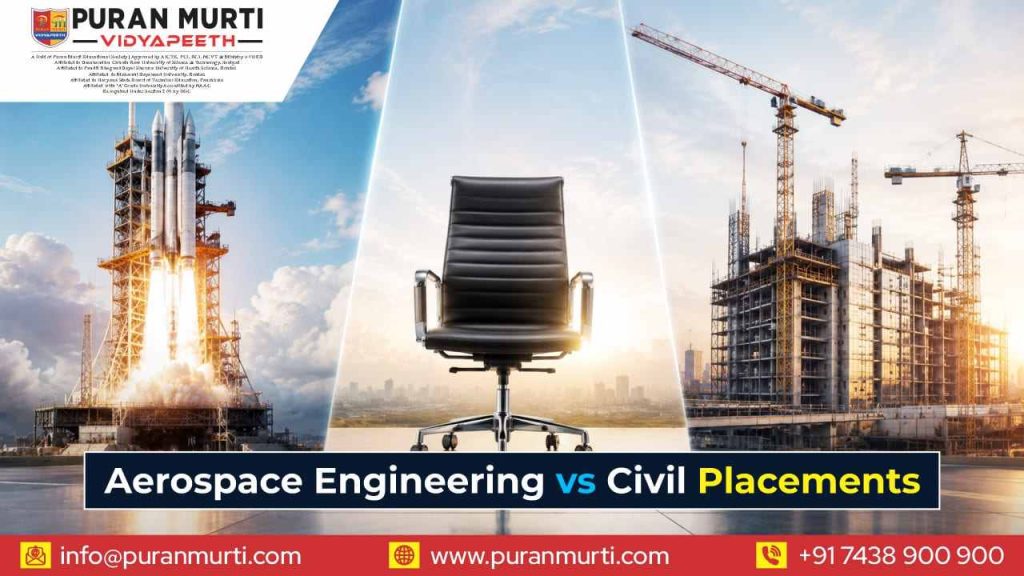
Aerospace Engineering vs Civil Placements
Posted on : 9 June, 2026 4:30 am
Choosing the right engineering branch is a crucial decision because it directly impacts your career opportunities, placement prospects, and future growth. Among the many engineering disciplines available today, Aerospace Engineering vs Civil Placements is a comparison that frequently interests students who are evaluating career options after Class 12. While Aerospace Engineering focuses on aircraft, spacecraft, satellites, and aviation technologies, Civil Engineering deals with the design, construction, and maintenance of infrastructure projects such as buildings, roads, bridges, dams, and transportation systems.
Therefore, understanding the placement opportunities associated with Aerospace Engineering vs Civil essential before making a decision. Moreover, placement success depends on several factors, including industry demand, skills, location, internships, higher education, and economic conditions. Consequently, students should evaluate both branches carefully rather than relying solely on placement statistics.
Understanding Aerospace Engineering
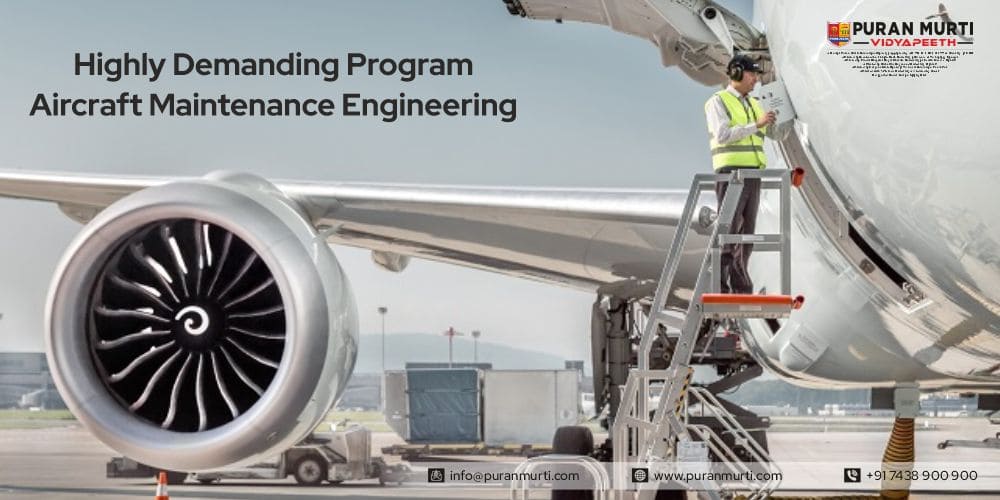
Aerospace Engineering is a specialized branch of engineering that focuses on the design, development, testing, and maintenance of aircraft, spacecraft, missiles, satellites, and related systems.
Furthermore, aerospace engineers contribute to innovations in aviation, defense, and space exploration. As a result, the field remains one of the most prestigious engineering disciplines worldwide.
Major Areas in Aerospace Engineering
| Area | Description |
|---|---|
| Aerodynamics | Study of airflow around aircraft |
| Propulsion Systems | Jet and rocket engine development |
| Aircraft Structures | Design and analysis of aerospace structures |
| Flight Mechanics | Aircraft stability and control |
| Space Technology | Satellite and spacecraft engineering |
Understanding Engineering
Civil Engineering is one of the o
Civil Engineering
ldest and most versatile engineering disciplines. It focuses on planning, designing, constructing, and maintaining infrastructure that supports modern society.
Additionally, civil engineers play a vital role in urban development, transportation systems, environmental projects, and smart city initiatives.
Major Areas in CIVIL Engineering
| Area | Description |
|---|---|
| Structural Engineering | Design of buildings and bridges |
| Transportation Engineering | Roads, highways, and railways |
| Geotechnical Engineering | Soil and foundation analysis |
| Environmental Engineering | Water and waste management |
| Construction Engineering | Project planning and execution |
Aerospace Engineering vs Civil Placements: Quick Comparison
| Parameter | Aerospace Engineering | Civil Engineering |
|---|---|---|
| Industry Focus | Aviation and space | Infrastructure and construction |
| Placement Opportunities | Moderate | High |
| Core Recruiters | Specialized | Diverse |
| Government Opportunities | Strong | Very Strong |
| Private Sector Scope | Moderate | Extensive |
| International Demand | Strong | Strong |
| Startup Potential | Moderate | Moderate |
Course Curriculum Comparison
Although both branches require analytical skills and engineering knowledge, their academic focus differs significantly.
Aerospace Engineering Subjects
| Subjects |
|---|
| Aerodynamics |
| Flight Mechanics |
| Aircraft Structures |
| Aerospace Materials |
| Propulsion Systems |
| Space Technology |
Civil Engineering Subjects
| Subjects |
|---|
| Structural Analysis |
| Surveying |
| Geotechnical Engineering |
| Construction Management |
| Transportation Engineering |
| Environmental Engineering |
Skills Required for Aerospace Engineering Placements
To secure strong placements in Aerospace Engineering, students should develop:
- Advanced mathematical skills
- Engineering design expertise
- Problem-solving abilities
- Physics knowledge
- Technical software proficiency
- Research and analytical skills
Skills Required for Civil Engineering Placements
Similarly, Civil Engineering students should focus on:
- Structural analysis
- Project management
- Surveying skills
- Construction planning
- CAD software knowledge
- Communication and teamwork
Aerospace Engineering Placement Opportunities
Aerospace Engineering placements are primarily concentrated in specialized sectors.
Furthermore, students often secure opportunities in aviation companies, defense organizations, aerospace manufacturers, and research institutions.
Common Recruiters for Aerospace Engineering
| Sector | Opportunities |
|---|---|
| Aviation | Aircraft development and maintenance |
| Defense | Aerospace systems and missile technology |
| Space Research | Satellite and spacecraft projects |
| Manufacturing | Aircraft component production |
| Research | Advanced aerospace technologies |
Civil Engineering Placement Opportunities
Civil Engineering offers placement opportunities across a much broader range of industries.
Moreover, infrastructure development projects continue to create demand for civil engineering graduates. As a result, students often find opportunities in both government and private sectors.
Common Recruiters for Civil Engineering
| Sector | Opportunities |
|---|---|
| Construction | Building and infrastructure projects |
| Transportation | Highway and railway development |
| Real Estate | Urban development projects |
| Environmental Services | Water and waste management |
| Consulting | Engineering design and planning |
Aerospace Engineering vs Civil Placement Rate
| Factor | Aerospace Engineering | Civil Engineering |
|---|---|---|
| Industry Diversity | Moderate | High |
| Number of Recruiters | Moderate | High |
| Core Placement Opportunities | Specialized | Broad |
| Government Recruitment | Strong | Very Strong |
| International Scope | Strong | Strong |
Generally, Civil Engineering graduates benefit from a larger employment market because infrastructure projects exist in every region. However, Aerospace Engineering graduates can secure highly specialized and prestigious roles.
Government Sector Placement Opportunities
Aerospace Engineering
Government organizations offer attractive placement opportunities in aerospace and defense sectors.
Examples include:
- Indian Space Research Organisation
- Defence Research and Development Organisation
- National Aeronautics and Space Administration
Civil Engineering
Government opportunities include:
- Public Works Departments
- Municipal Corporations
- Infrastructure Development Authorities
- Railway Engineering Projects
- Water Resource Departments
Consequently, Civil Engineering often provides a larger number of government-sector vacancies.
Private Sector Placement Opportunities
Aerospace Engineering
Private-sector opportunities include:
- Aircraft manufacturing companies
- Aerospace suppliers
- Defense contractors
- Aviation technology firms
Civil Engineering
Private-sector opportunities include:
- Construction companies
- Real estate developers
- Infrastructure consulting firms
- Smart city projects
- Transportation engineering firms
Therefore, Civil Engineering graduates generally encounter more recruiters during placement seasons.
Placement Packages Comparison
| Category | Aerospace Engineering | Civil Engineering |
|---|---|---|
| Entry-Level Packages | Competitive | Competitive |
| Mid-Level Growth | Strong | Strong |
| Specialized Roles | High Potential | Moderate to High |
| International Opportunities | Strong | Strong |
Although Aerospace Engineering may offer fewer placement opportunities, specialized positions can provide highly attractive compensation packages.
Aerospace Engineering vs Civil Placements Abroad
Both disciplines provide international career opportunities.
However, Civil Engineering graduates often find opportunities in rapidly developing regions because infrastructure projects are continuously expanding. Additionally, construction and transportation projects create steady demand for civil engineers worldwide.
In contrast, Aerospace Engineering placements abroad are concentrated within aviation, defense, and space-related industries. Nevertheless, aerospace professionals often work on cutting-edge technologies and globally recognized projects.
Research and Innovation Opportunities
Both fields provide excellent research opportunities. Furthermore, both disciplines contribute significantly to technological advancement and societal development.
Aerospace Research Areas
- Space exploration
- Sustainable aviation
- Advanced propulsion systems
- Autonomous aircraft
- Satellite technology
Civil Engineering Research Areas
- Smart cities
- Sustainable construction
- Earthquake-resistant structures
- Transportation systems
- Environmental sustainability
Therefore, students interested in research can build rewarding careers in either field.
Higher Education Opportunities
Aerospace Engineering Graduates
Popular options include:
- M.Tech Aerospace Engineering
- Space Engineering
- Aerodynamics
- Propulsion Engineering
- Aviation Management
Civil Engineering Graduates
Popular options include:
- M.Tech Structural Engineering
- Transportation Engineering
- Construction Management
- Environmental Engineering
- Geotechnical Engineering
Work Environment Comparison
| Factor | Aerospace Engineering | Civil Engineering |
|---|---|---|
| Office Work | Moderate | Moderate |
| Site Visits | Limited | Frequent |
| Laboratory Work | Extensive | Moderate |
| Field Work | Moderate | High |
| Team Collaboration | High | High |
As a result, Civil Engineering professionals generally spend more time on project sites, whereas Aerospace Engineers often work in laboratories and design facilities.
Future Scope of Aerospace Engineering
The future of Aerospace Engineering remains promising because of:
- Space tourism
- Satellite deployment
- Commercial aviation growth
- Defense modernization
- Sustainable aircraft development
Furthermore, increased investment in space exploration continues to generate new employment opportunities.

Future Scope of Civil Engineering
The future of Civil Engineering is equally promising.
Moreover, rapid urbanization, infrastructure modernization, smart city initiatives, and transportation development projects continue to increase demand for civil engineers. Consequently, the field is expected to remain highly relevant in the coming decades.
Entrepreneurship Opportunities
| Area | Aerospace Engineering | Civil Engineering |
|---|---|---|
| Startup Cost | High | Moderate |
| Market Entry | Difficult | Easier |
| Scalability | Moderate | Moderate |
| Industry Demand | Strong | Strong |
gTherefore, Civil Engineering graduates may find it easier to establish consulting firms, construction businesses, or project management services.
Aerospace Engineering vs Civil Placements: Pros and Cons
Aerospace Engineering Pros
- Prestigious engineering field
- Advanced technology exposure
- Strong research opportunities
- Exciting aviation and space projects
Aerospace Engineering Cons
- Specialized placement market
- Fewer recruiters
- Limited industry diversity
Civil Engineering Pros
- Broad placement opportunities
- Strong government recruitment
- Extensive industry demand
- Diverse career paths
Civil Engineering Cons
- Frequent site work
- Physically demanding projects
- Economic cycles can affect construction activity
Who Should Choose Aerospace Engineering?
You should consider Aerospace Engineering if you:
- Love aircraft and spacecraft technology
- Enjoy physics and engineering design
- Want to work in aviation or space sectors
- Prefer specialized engineering careers
Who Should Choose Civil Engineering?
You should consider Civil Engineering if you:
- Enjoy infrastructure development
- Like construction and project management
- Want broader placement opportunities
- Prefer working on large-scale development projects
About Puran Murti Vidyapeeth
The institute is known for its focus on technical education, practical learning, laboratory exposure, and career-oriented training. Students can explore engineering programs in modern technology domains while benefiting from academic support, industry interaction, and campus facilities. The availability of hostel facilities, skill-development activities, and placement assistance also makes it a consideration for students looking for engineering education near Delhi NCR. Apply Now
Top Engineering Branches
BTech (Bachelor of Technology)
BTech is among the most popular courses after 12th Science (PCM).
Top Specializations:
- Aeronautical Engineering
- Aerospace Engineering
- Aircraft Maintenance Engineering (AME)
- Computer Science & Engineering (CSE)
- CSE with Artificial Intelligence and Machine Learning (AI & ML)
- Civil Engineering
- Electrical Engineering
- Electronics & Communication Engineering (ECE)
- Mechanical Engineering
Unique Aviation Programs (USP)
One of the biggest advantages of Puran Murti Vidyapeeth is its aviation-based courses, which are rare in India:
- B.Tech + AME (DGCA approved)
- B.Tech Mechanical Engineering + AME (DGCA)
- B.Tech ECE + AME (DGCA)
- B.Tech Computer Science
(AI & ML)+ AME (DGCA) - B.Tech Aeronautical Engineering
+ CPL (Ground Classes) - B.Tech Aerospace Engineering
+ CPL (Ground Classes)
Diploma Courses
Students can also choose job-oriented diploma courses: Apply Now
- Diploma in Automobile Engineering (AE)
- Diploma in AME (Aircraft Maintenance Engineering)
- Diploma in Aeronautical Engineering
- Diploma in Civil Engineering (CE)
- Diploma in Mechanical Engineering (ME)
- Diploma in Computer Science & Engineering (CSE)
- Diploma in Electronics & Communication Engineering (ECE)
- Diploma in Electrical Engineering (EE)
- Diploma in Fire Technology & Safety
- Diploma in Medical Lab Technology (MLT)
- Diploma in Hotel Management
- Diploma in CSE (AI & ML)
Final Verdict: Aerospace Engineering vs Civil Placements
The comparison between Aerospace Engineering vs Civil Placements ultimately depends on your career goals, interests, and preferred work environment. If you are passionate about aviation, spacecraft, satellites, and advanced engineering systems, then Aerospace Engineering can provide a highly rewarding and prestigious career path.
On the other hand, if you are interested in infrastructure development, construction management, transportation systems, and urban planning, then Civil Engineering may offer broader placement opportunities. Furthermore, Civil Engineering graduates often benefit from a larger recruiter base and stronger government-sector demand. As a result, placement opportunities are generally more widespread across different industries.
Nevertheless, Aerospace Engineering continues to offer excellent opportunities in specialized sectors with strong growth potential. Therefore, rather than choosing solely based on placement statistics, students should focus on their interests, strengths, and long-term career aspirations. Ultimately, success depends more on skills, experience, and dedication than on the engineering branch alone.
Frequently Asked Questions
Which branch has better placements, Aerospace Engineering or Civil Engineering?
Generally, Civil Engineering offers broader placement opportunities because it serves multiple industries, including construction, transportation, urban development, and infrastructure. On the other hand, Aerospace Engineering provides highly specialized placements in advanced technology sectors. Therefore, students seeking wider employment options may prefer Civil Engineering, whereas those interested in aviation and space technology may find Aerospace Engineering more suitable.
Is Aerospace Engineering good for placements?
Yes, Aerospace Engineering offers strong placement opportunities, especially in aviation, defense, aerospace manufacturing, and research organizations. Moreover, the growing demand for aircraft innovation, satellite technology, and defense modernization continues to create new career opportunities. As a result, qualified aerospace graduates can access rewarding and technically challenging roles.
Does Civil Engineering have good placement opportunities in 2026?
Yes, Civil Engineering is expected to maintain strong placement prospects in 2026. Furthermore, increasing investments in infrastructure development, smart city initiatives, transportation networks, and urban expansion are driving demand for civil engineers. Consequently, graduates can explore opportunities in both the public and private sectors.
Which field has more government jobs?
Civil Engineering typically offers a larger number of government-sector vacancies because infrastructure and public works projects require a substantial engineering workforce. However, Aerospace Engineering also provides prestigious opportunities in defense and space organizations. Therefore, while Civil Engineering has a broader government job market, Aerospace Engineering offers highly specialized and respected positions.
Which branch has better future scope?
Both Aerospace Engineering and Civil Engineering have promising long-term prospects. However, their growth paths differ significantly. Civil Engineering offers broader employment opportunities across diverse industries, whereas Aerospace Engineering focuses on specialized sectors such as aviation, defense, and space exploration. Ultimately, the better choice depends on your career interests, skills, and professional goals.